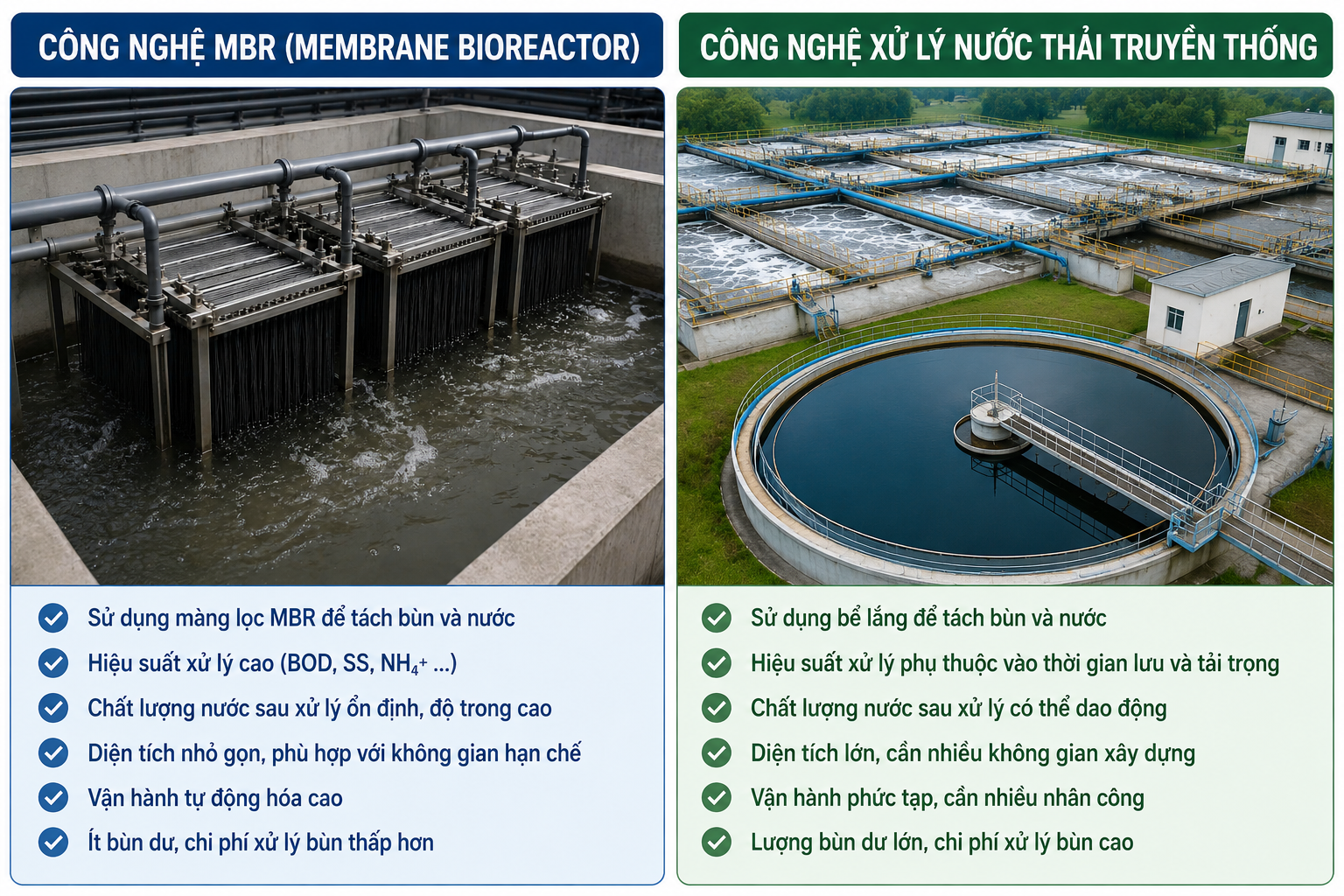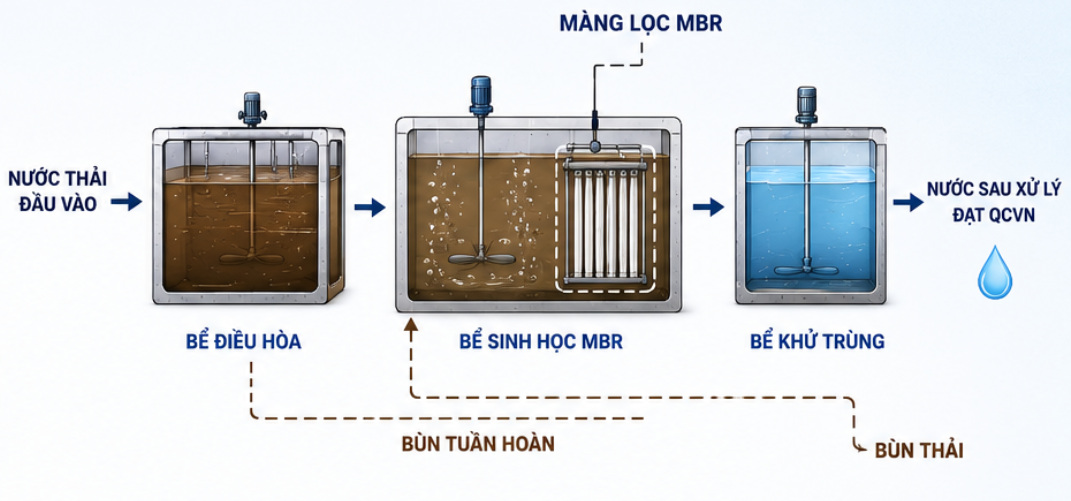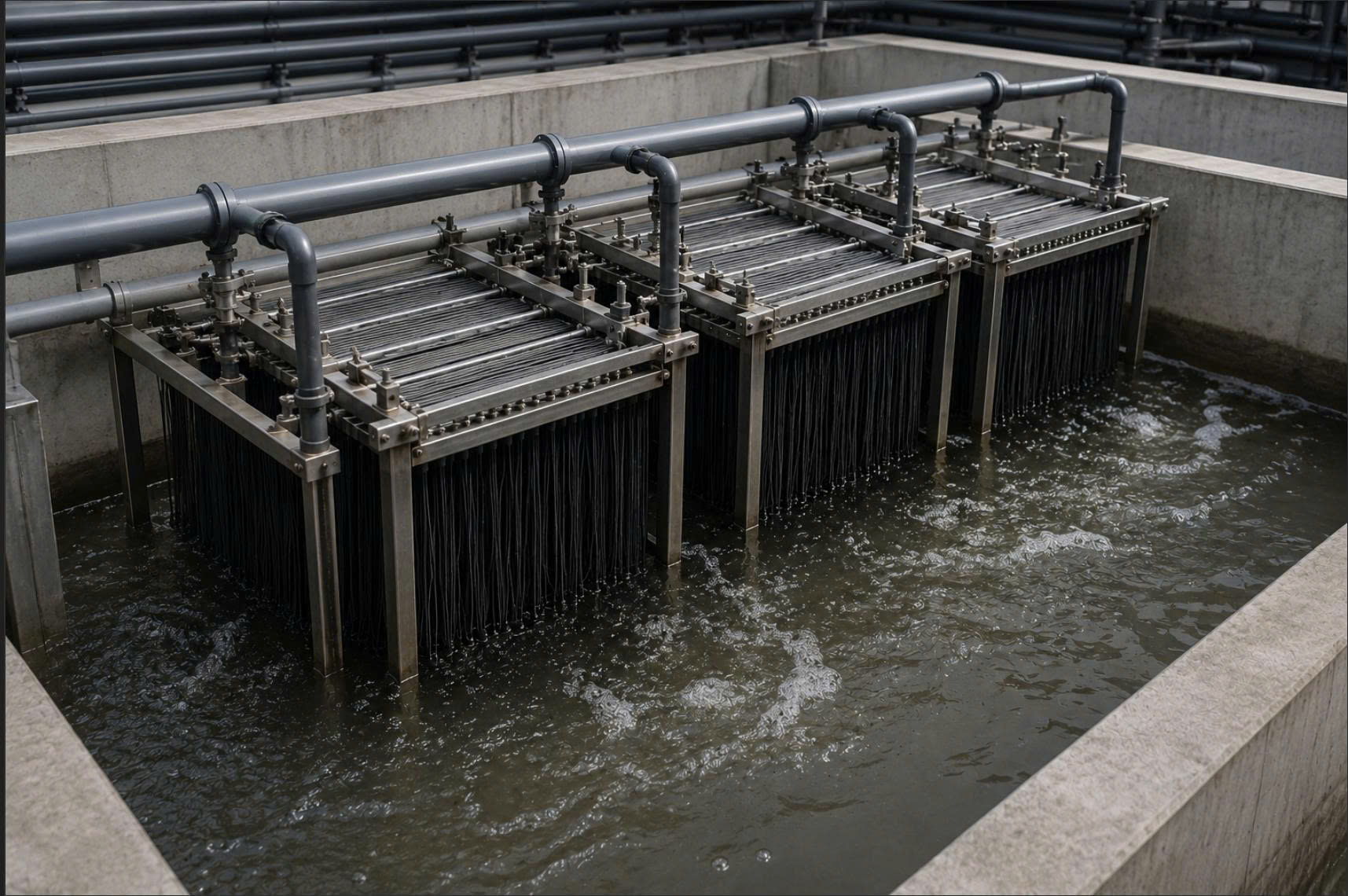

MBR (Membrane Bioreactor) is a wastewater treatment technology that combines biological treatment processes utilizing microorganisms with membrane filtration systems, typically Microfiltration (MF) or Ultrafiltration (UF) membranes.
Instead of relying on secondary clarifiers as in conventional treatment systems, MBR uses membrane filtration to separate activated sludge from treated water. As a result, the effluent quality is significantly improved, enabling compliance with stringent discharge standards or water reuse requirements.
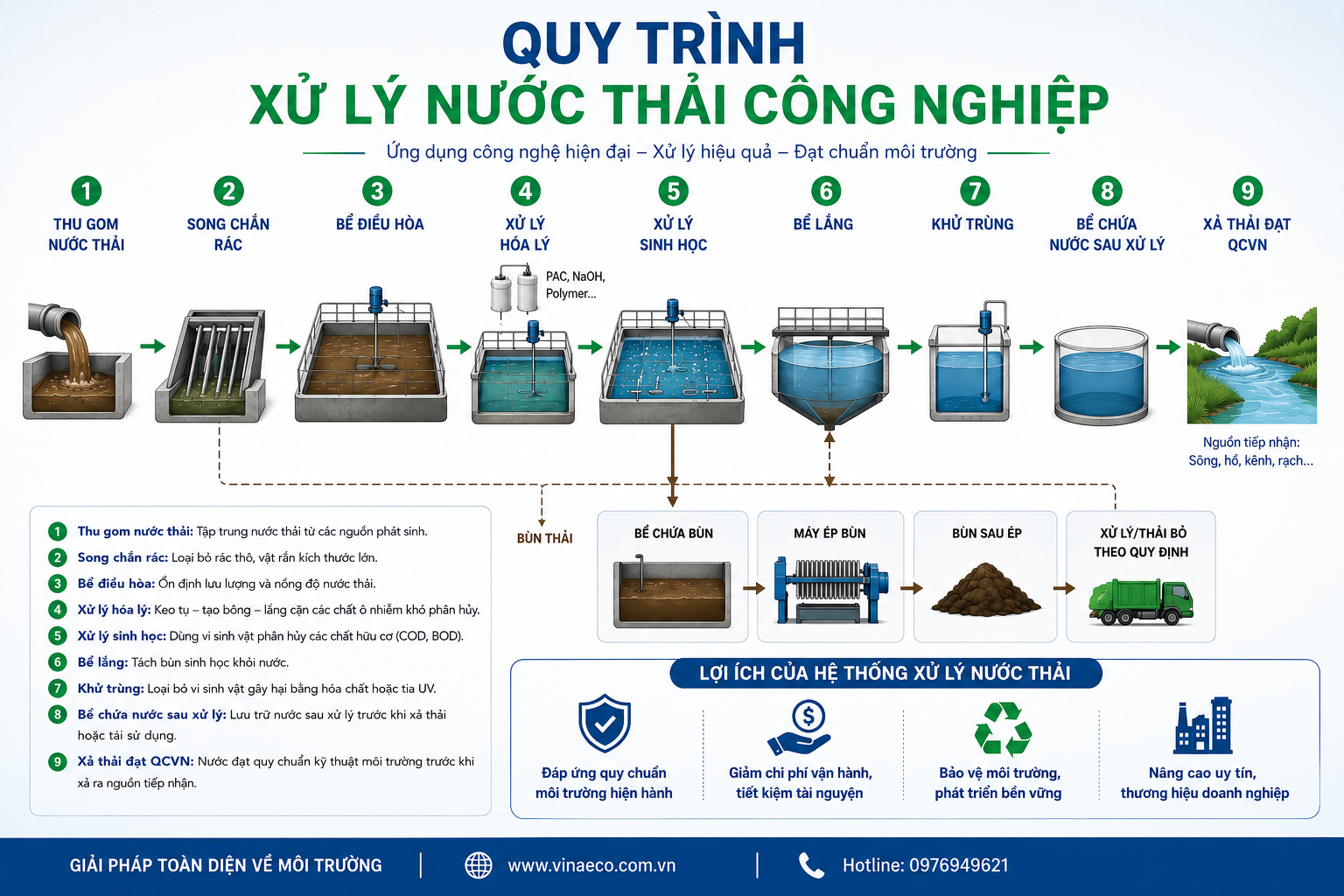
Conventional wastewater treatment systems generally include the following treatment stages:
Preliminary treatment (bar screens, grit chambers)
Biological treatment (Aerotank, A/O, A²/O, etc.)
Secondary clarification
Disinfection
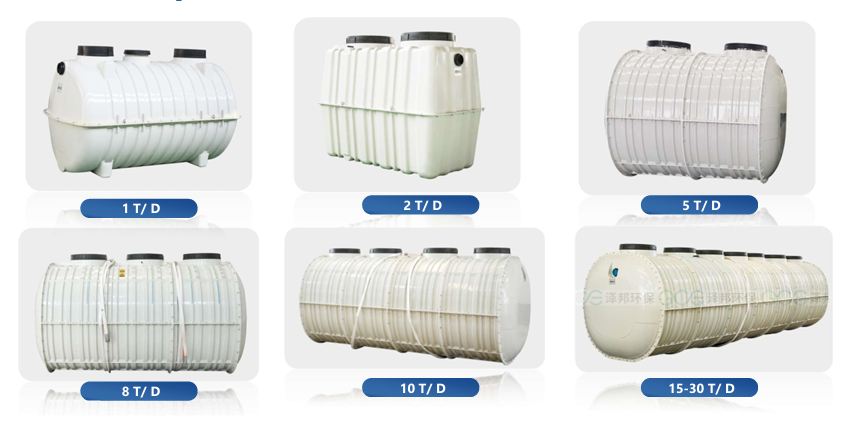
These systems operate based on gravitational settling to separate biomass from treated wastewater. Conventional technologies are widely adopted across various industrial facilities and industrial parks due to their proven performance and relatively low investment cost.
Criteria | MBR Technology | Conventional Technology |
Effluent Quality | Very high, low turbidity, effective pathogen removal | Dependent on clarifier performance |
Footprint Requirement | Compact design, saves 30–50% of installation area | Requires multiple treatment tanks and clarifiers |
MLSS Concentration | High (8,000 – 15,000 mg/L) | Lower (2,000 – 4,000 mg/L) |
Water Reuse Potential | Very high | Limited |
COD, BOD, and TSS Removal Efficiency | Rất cao | Good but highly dependent on operation |
Initial Capital Investment | Higher | Lower |
Operating Cost | Moderate | Low to moderate |
Capacity Expansion Flexibility | Flexible | More challenging |
MBR membranes can retain nearly all suspended solids, bacteria, and microorganisms present in wastewater. The resulting effluent is significantly clearer and more stable compared to conventional treatment systems.
Reduced Installation Footprint
By eliminating the need for secondary clarifiers, MBR systems feature a compact design that is particularly suitable for:
Industrial facilities with limited land availability
Urban developments
Commercial buildings
Hospitals
Hotels and resorts
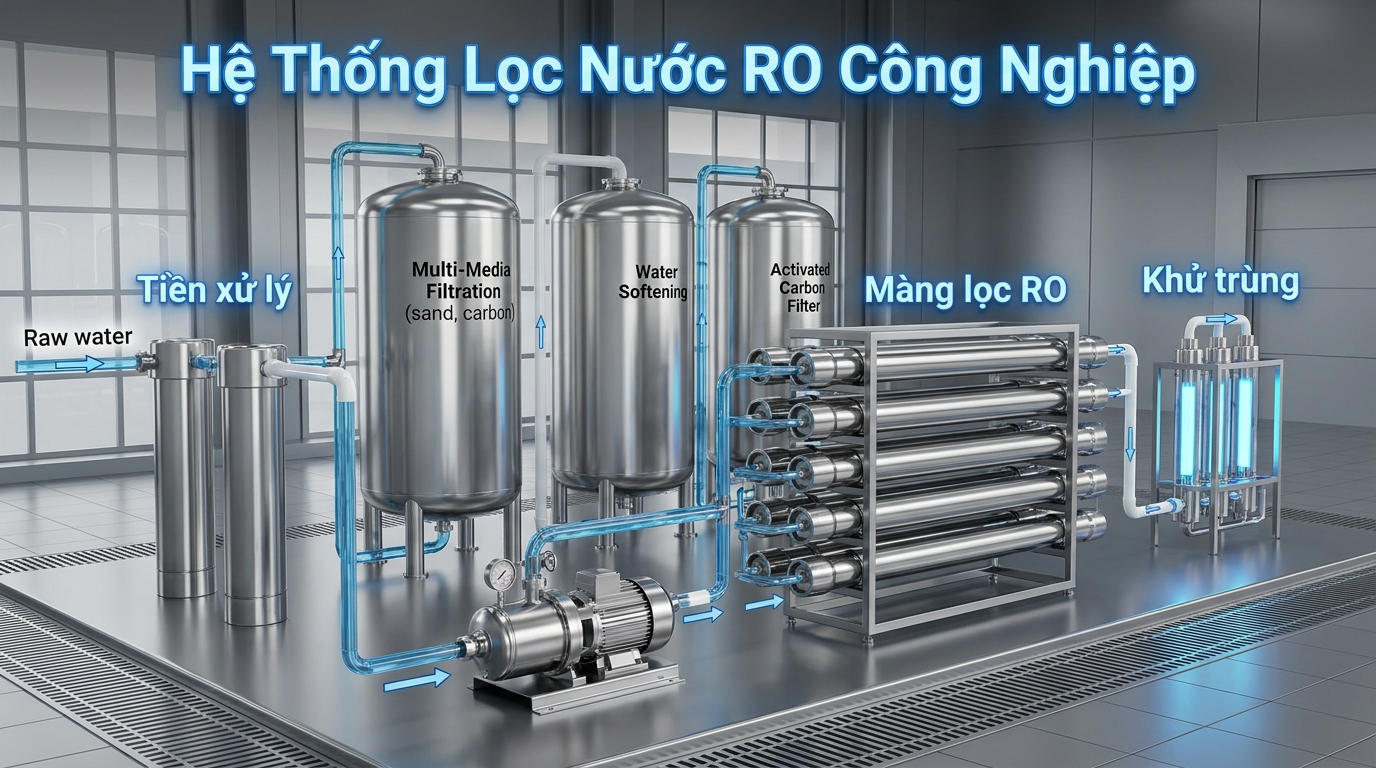
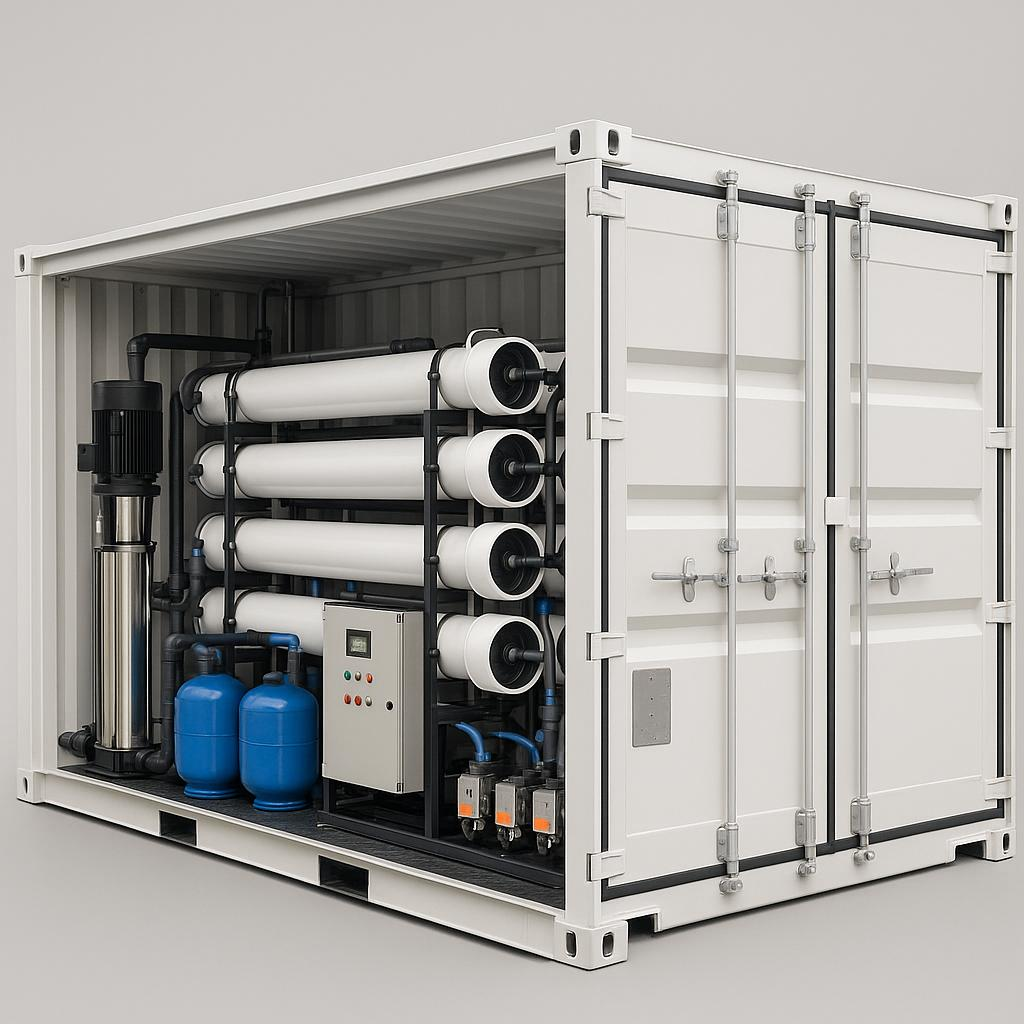
Treated water from MBR systems can be further polished using UF or Reverse Osmosis (RO) systems for reuse applications such as:
Landscape irrigation
Road washing
Cooling water systems
Process water supply
This allows businesses to significantly reduce freshwater consumption and operating costs.
MBR technology offers excellent resistance to fluctuations in hydraulic loading and pollutant concentrations, making it suitable for complex industrial wastewater streams.
Conventional wastewater treatment systems remain an appropriate choice when:
Sufficient land area is available
Initial investment budget is limited
Standard effluent quality is acceptable
Water reuse is not required
Technologies such as A/O, A²/O, and Aerotank continue to provide effective treatment performance at lower capital costs compared to MBR systems.
Businesses should prioritize MBR technology when:
Installation space is limited
High-quality effluent is required
Water reuse is a project objective
Compliance with stringent environmental regulations is necessary
Wastewater characteristics involve high pollutant loads and significant fluctuations
MBR technology is particularly suitable for industries such as:
Food and Beverage
Pharmaceuticals
Electronics Manufacturing
Textile and Dyeing
Healthcare Facilities and Hospitals
Urban Developments and Industrial Parks
Both MBR technology and conventional wastewater treatment systems offer unique advantages. If minimizing capital expenditure and utilizing available land are the primary considerations, conventional systems remain a practical solution. However, if the goal is to achieve superior effluent quality, minimize footprint requirements, and support water reuse initiatives, MBR technology represents a more advanced and efficient alternative.
There is no single technology that is best for every project; there is only the technology that is most suitable for each wastewater source and operational objective.
Vina Eco Group, we focus on analyzing wastewater characteristics, water reuse requirements, site conditions, and investment budgets to develop optimized treatment solutions tailored to each client's needs.
From conventional biological treatment systems to advanced MBR membrane technologies, Vina Eco Group is committed to enhancing treatment performance, optimizing lifecycle costs, and creating sustainable value for customers on their journey toward greener and more sustainable development.