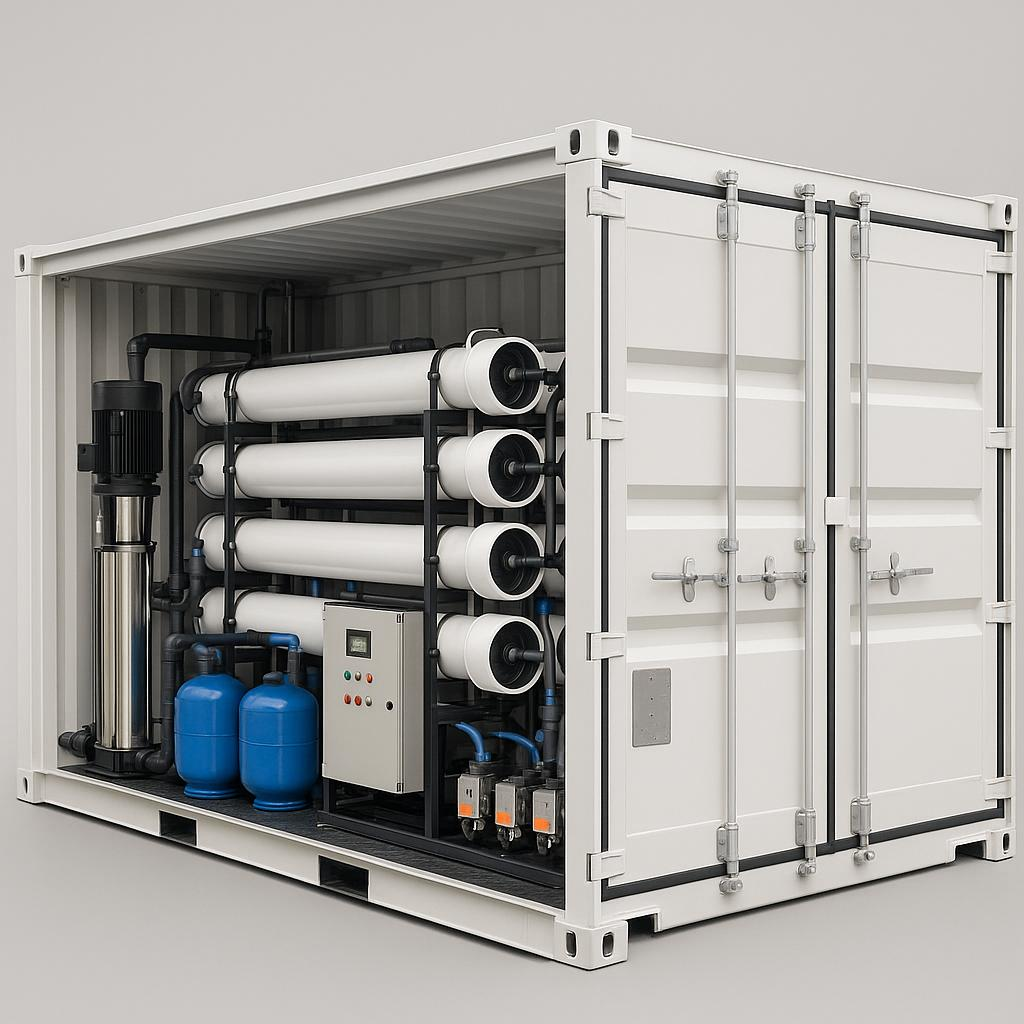
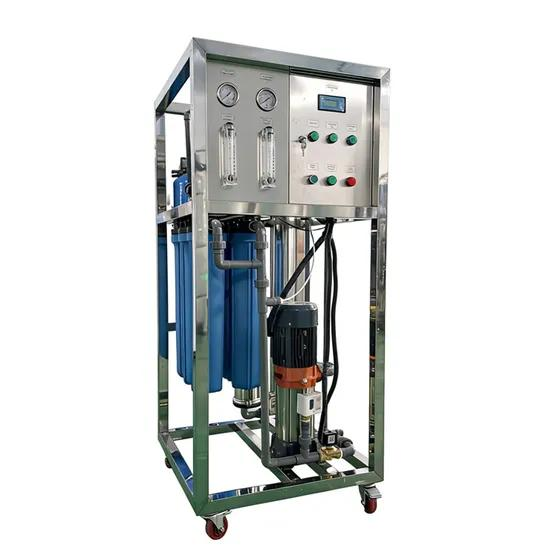
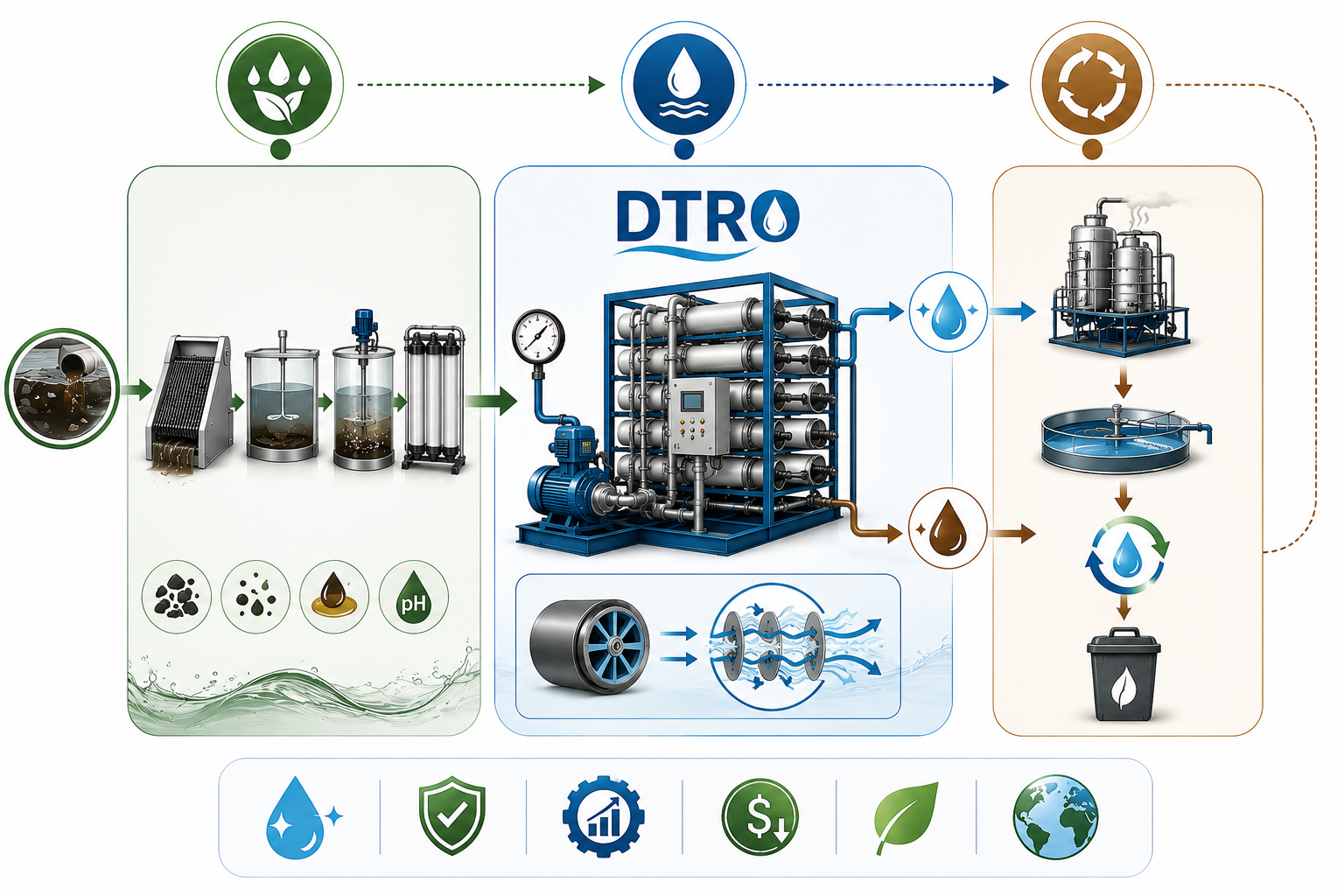
Discover the applications of Reverse Osmosis (RO) membranes in industrial and municipal water treatment. RO technology effectively removes dissolved salts, heavy metals, bacteria, viruses, and other contaminants, delivering high-quality water for various applications.APPLICATIONS OF RO MEMBRANES IN WATER TREATMENT AND THEIR OUTSTANDING ADVANTAGES
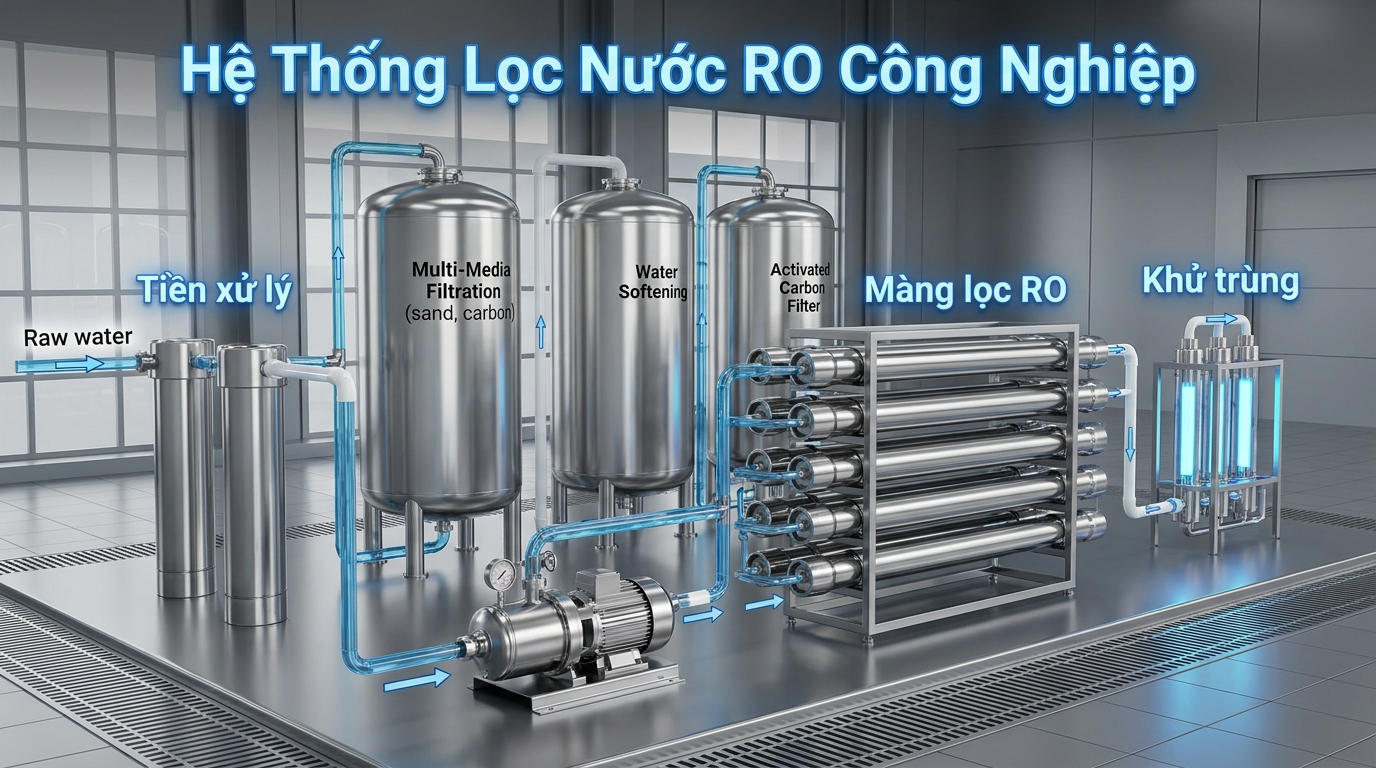
Among modern water treatment technologies, Reverse Osmosis (RO) is recognized as one of the most effective advanced treatment solutions due to its ability to remove nearly all dissolved contaminants from water. With its exceptional salt rejection and purification performance, RO technology is widely applied in industrial water treatment, purified water production, seawater desalination, and wastewater reuse systems.
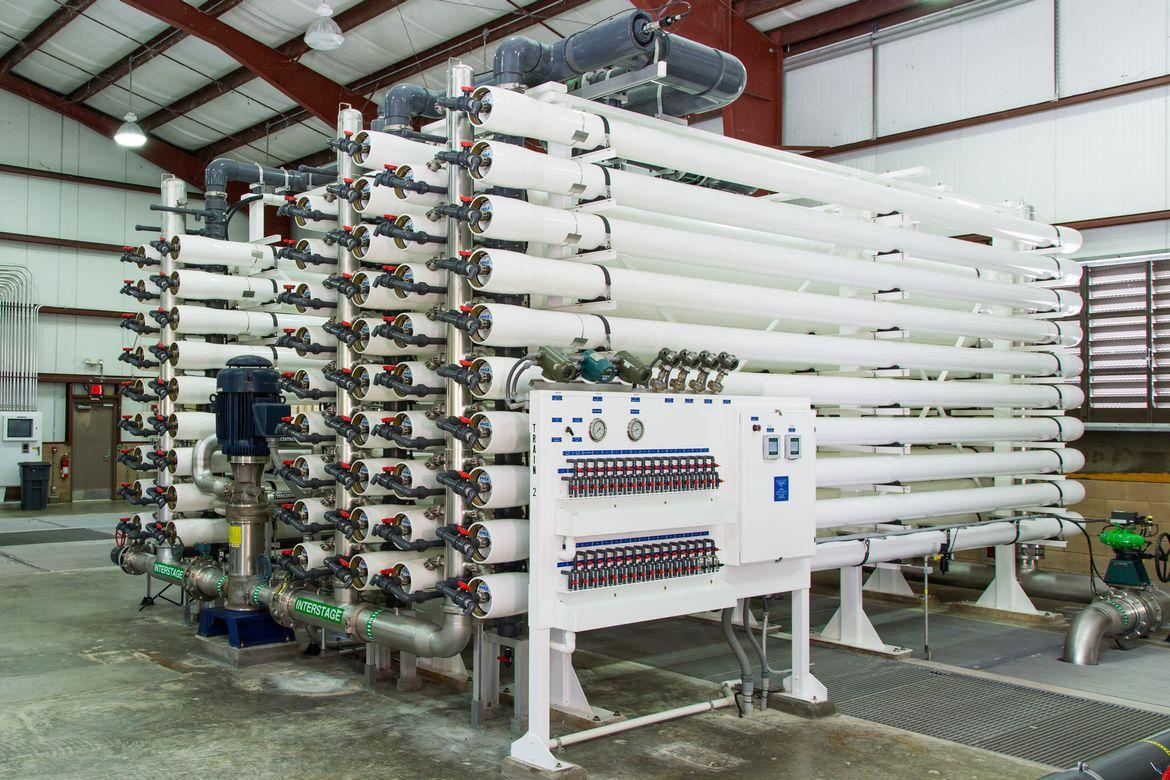
High-Quality Process Water Production for Industrial Applications
Many industries require high-purity water to ensure product quality, maintain production efficiency, and extend equipment lifespan. However, groundwater and municipal water often contain dissolved ions such as calcium, magnesium, silica, iron, and other minerals, which may cause scaling, corrosion, and operational issues.
RO systems effectively remove the majority of Total Dissolved Solids (TDS), reduce water hardness, and provide consistent feed water quality. As a result, RO technology is extensively used in the food and beverage, electronics, pharmaceutical, chemical, and manufacturing industries.
Boiler Feed Water and Cooling Water Treatment
For industrial boiler systems, feed water quality directly impacts operational efficiency and equipment reliability. Dissolved minerals can form scale deposits on heat transfer surfaces, reducing thermal efficiency and increasing energy consumption.
RO membranes significantly reduce dissolved salts and impurities, providing stable water quality for boilers, cooling towers, and industrial recirculating water systems. This helps extend equipment life, reduce maintenance costs, and minimize production downtime.
Seawater and Brackish Water Desalination
RO is currently the most widely adopted desalination technology worldwide. With the capability to remove up to 99% of dissolved salts, RO systems can convert seawater and brackish water into high-quality water suitable for domestic and industrial use.
This technology is commonly implemented in coastal regions, islands, resorts, seaports, and water supply projects where freshwater resources are limited.
Wastewater Reuse and Water Recovery
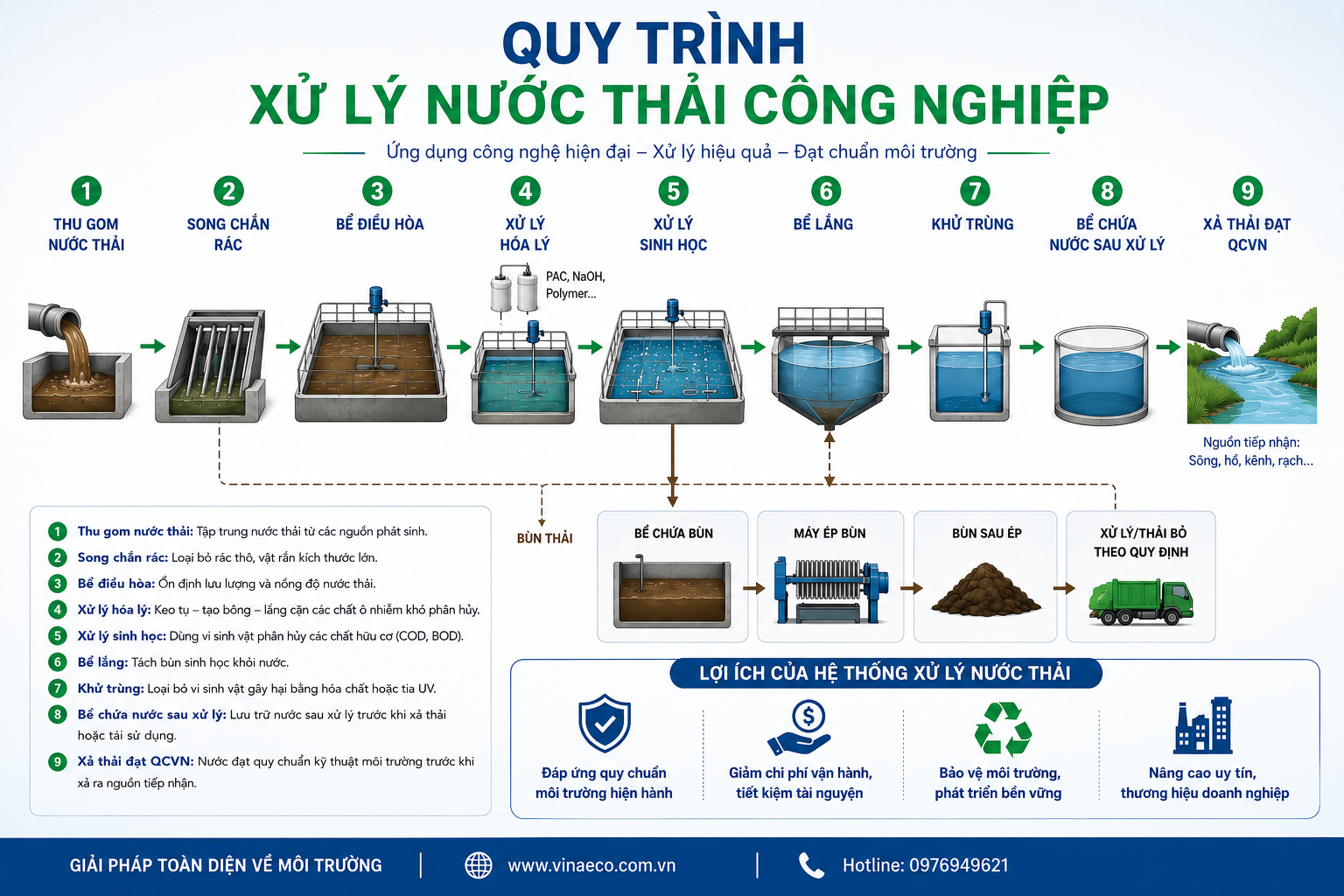
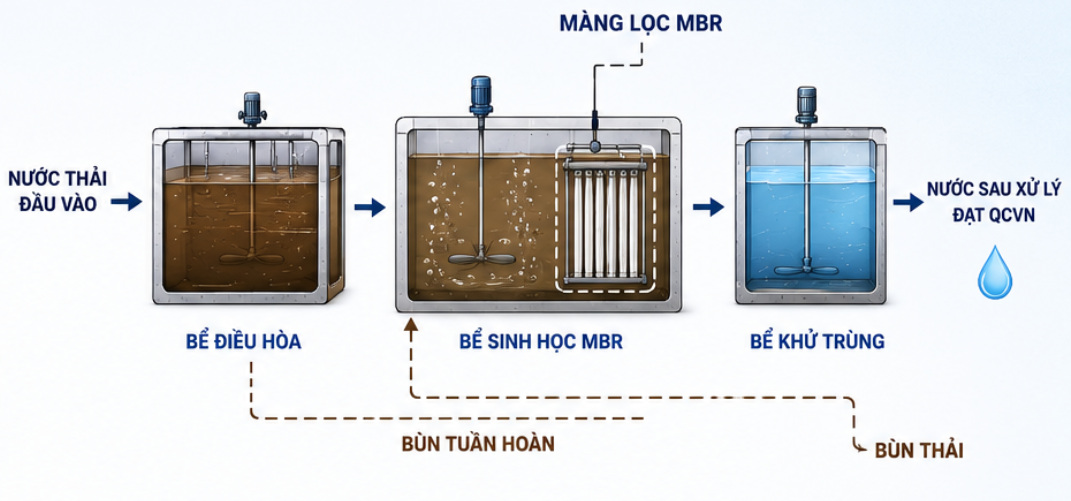
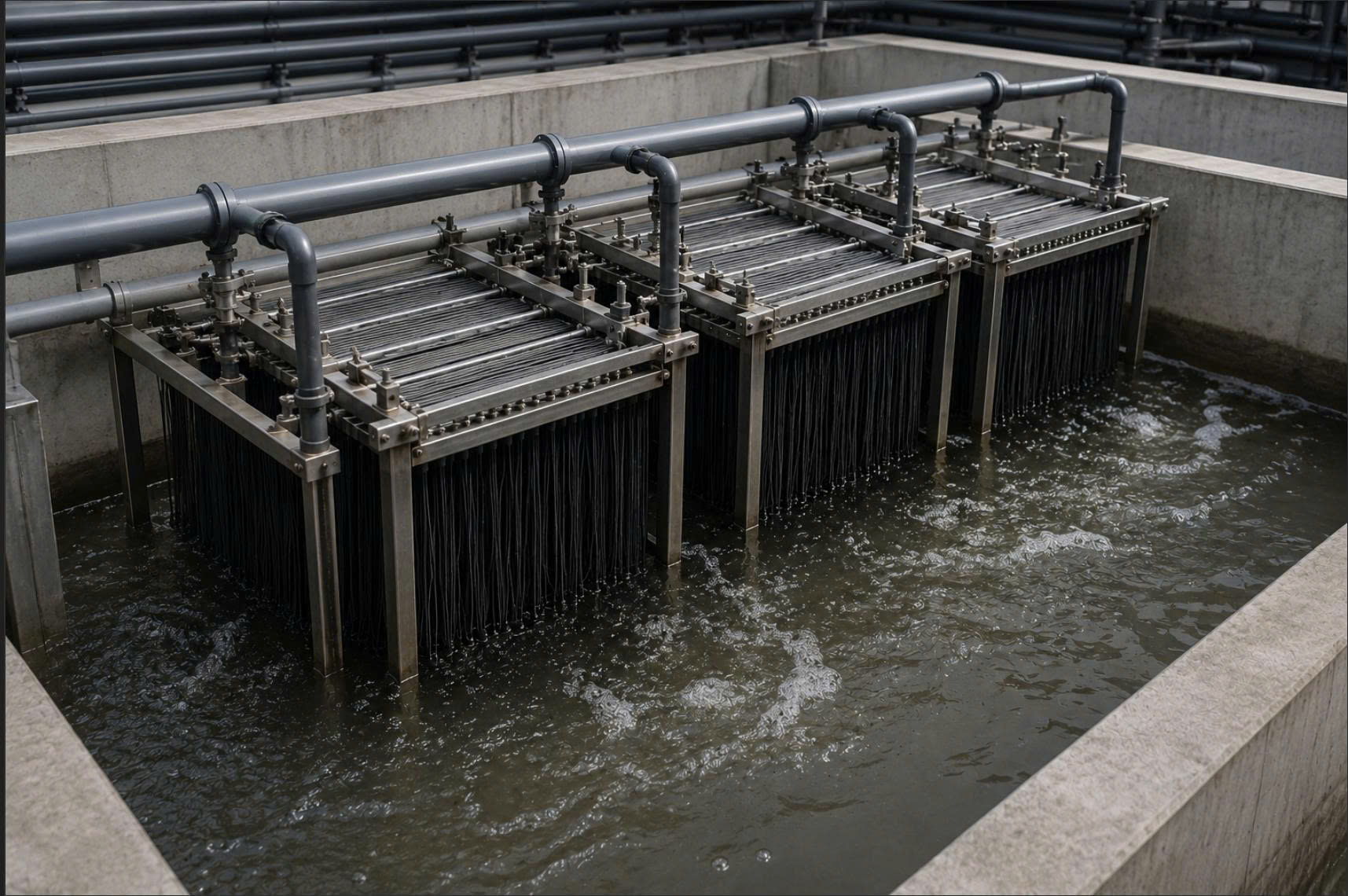
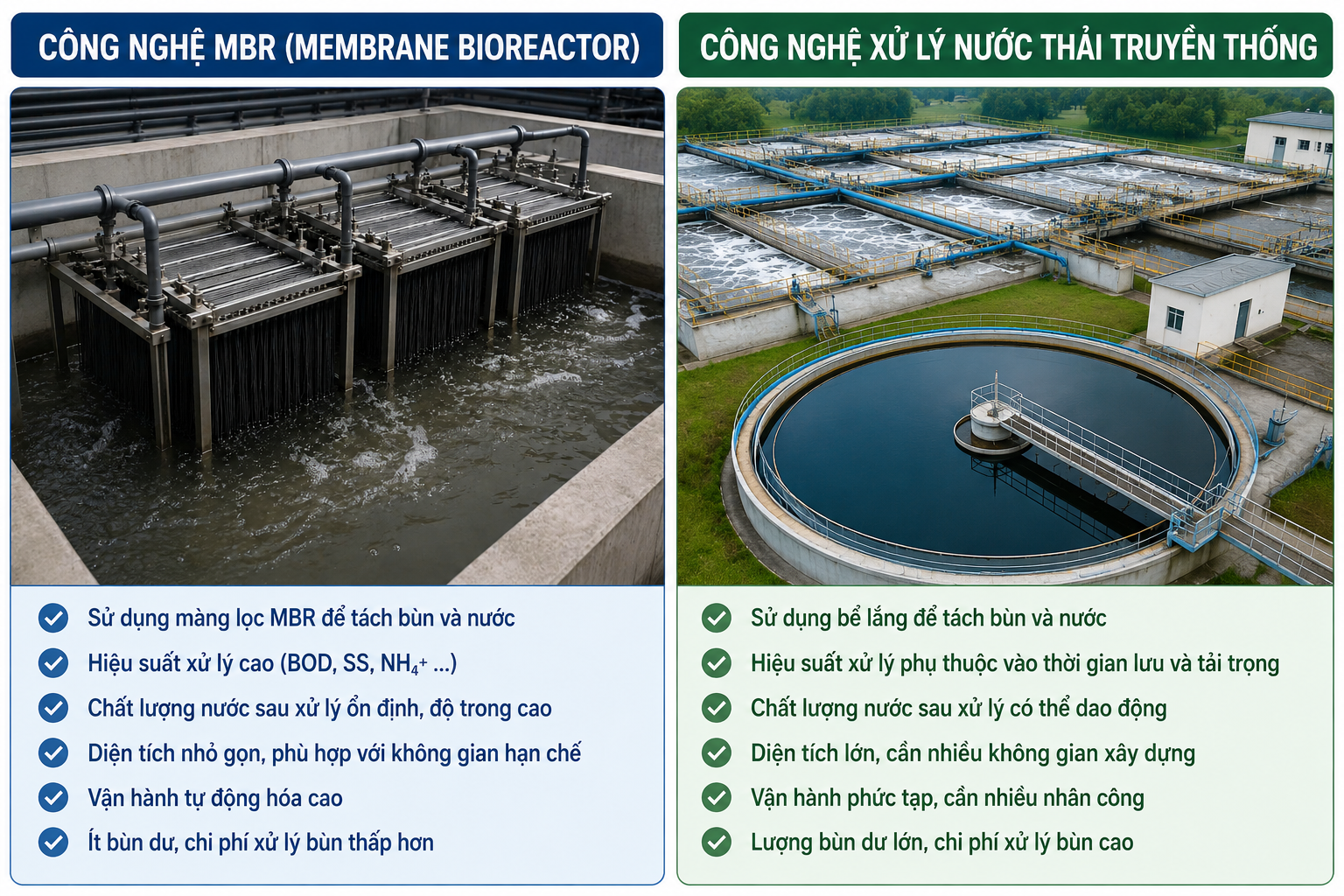
The growing demand for water conservation and sustainable development is driving industries to invest in wastewater reclamation and reuse systems. In these applications, RO serves as the final polishing process, removing residual contaminants after biological treatment and membrane processes such as Ultrafiltration (UF) or Membrane Bioreactor (MBR) systems.
RO-treated water can be reused for cooling tower make-up water, boiler feed water, equipment cleaning, and process water applications. This significantly reduces freshwater consumption and lowers overall operating costs.
KEY ADVANTAGES OF RO MEMBRANE TECHNOLOGY
Exceptional Contaminant Removal Efficiency: RO membranes can remove 95–99% of dissolved solids, heavy metals, bacteria, viruses, and high-molecular-weight organic compounds, achieving a level of purification that conventional filtration technologies cannot easily attain.
Consistent Water Quality:Even when feed water quality fluctuates, RO systems can consistently produce high-quality permeate water that meets the stringent requirements of various industrial processes.
Reduced Equipment Operating Costs: By removing hardness ions and scale-forming minerals, RO systems help prevent operational issues, reduce chemical treatment requirements, lower maintenance expenses, and extend the lifespan of production equipment.
Supporting Sustainable Development Goals: RO technology plays a critical role in water reuse, water recovery, and Zero Liquid Discharge (ZLD) systems. Recovering and reusing water resources not only conserves freshwater supplies but also helps industries comply with increasingly stringent environmental regulations.
Easy Integration with Other Treatment Technologies:RO membranes can be seamlessly integrated with technologies such as UF, NF (Nanofiltration), MBR, EDI (Electrodeionization), and evaporation systems, creating comprehensive and customized water treatment solutions for various industrial requirements.
More than just a filtration technology, RO membranes have become a core component of modern water treatment systems. With their superior purification capability, stable water quality, and long-term economic benefits, RO technology has become the preferred solution for industrial water treatment, desalination, and wastewater reuse projects worldwide