
How Much Does a Wastewater Treatment System Cost?
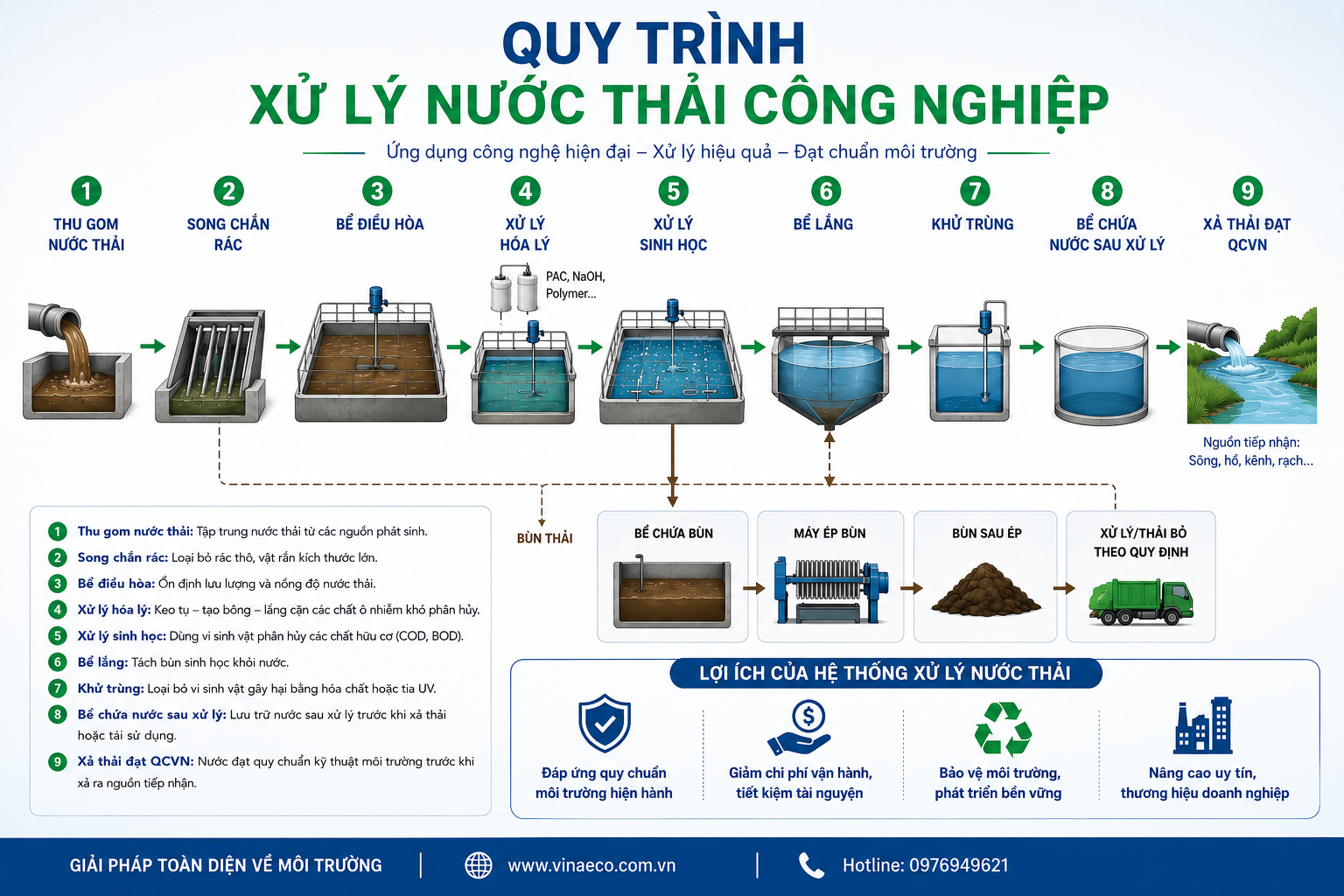
As environmental regulations become increasingly stringent, investing in a wastewater treatment system has become essential for manufacturing plants, industrial facilities, industrial parks, and commercial establishments. One of the most common questions businesses ask is: How much does a wastewater treatment system cost, and what factors influence the investment budget?
In reality, there is no fixed price for all wastewater treatment systems. The total investment cost varies depending on project-specific requirements and operational conditions.
Wastewater Flow Rate
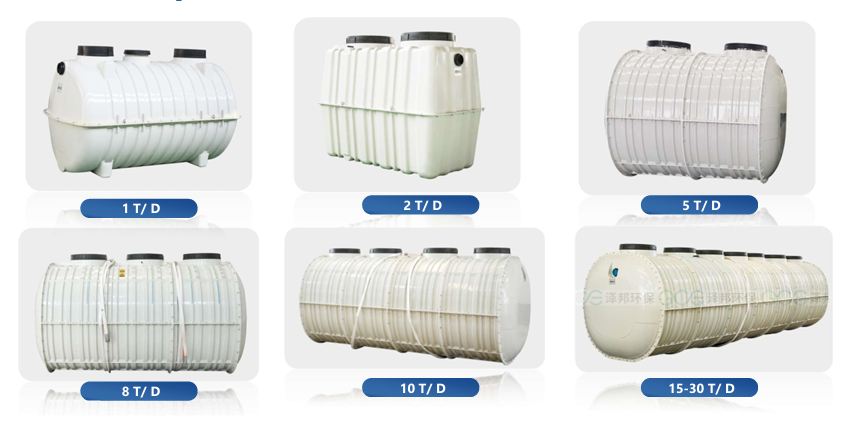
One of the most significant factors affecting system cost is the daily wastewater flow rate.
Higher flow rates require:
As a result, system size and investment costs generally increase with wastewater volume.
Wastewater Characteristics
The composition and pollution load of wastewater directly influence the complexity of the treatment process.
Key parameters include:
Wastewater with higher contamination levels typically requires more advanced treatment technologies and additional treatment stages, resulting in higher capital and operating costs.
Industry-Specific Requirements
Different industries generate wastewater with unique characteristics and treatment challenges.
Industries such as:
often produce wastewater with high pollutant concentrations, requiring more sophisticated treatment systems compared to conventional domestic wastewater treatment facilities.
Consequently, both the investment cost and operational expenses are generally higher for these industries.
Long-Term Operating Costs
In addition to initial construction and installation costs, businesses should carefully evaluate long-term operational expenditures (OPEX).
Typical operating costs include:
A properly designed and optimized wastewater treatment system can significantly reduce operating costs, minimize equipment failures, and extend system lifespan.
Advanced Wastewater Treatment Technologies
To improve treatment efficiency and support sustainable water management, many facilities are adopting advanced wastewater treatment technologies such as:
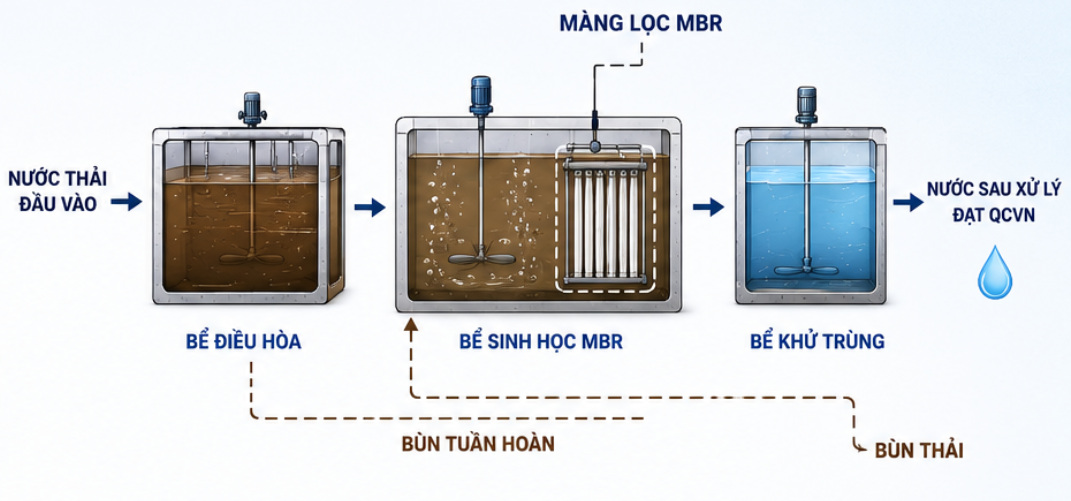
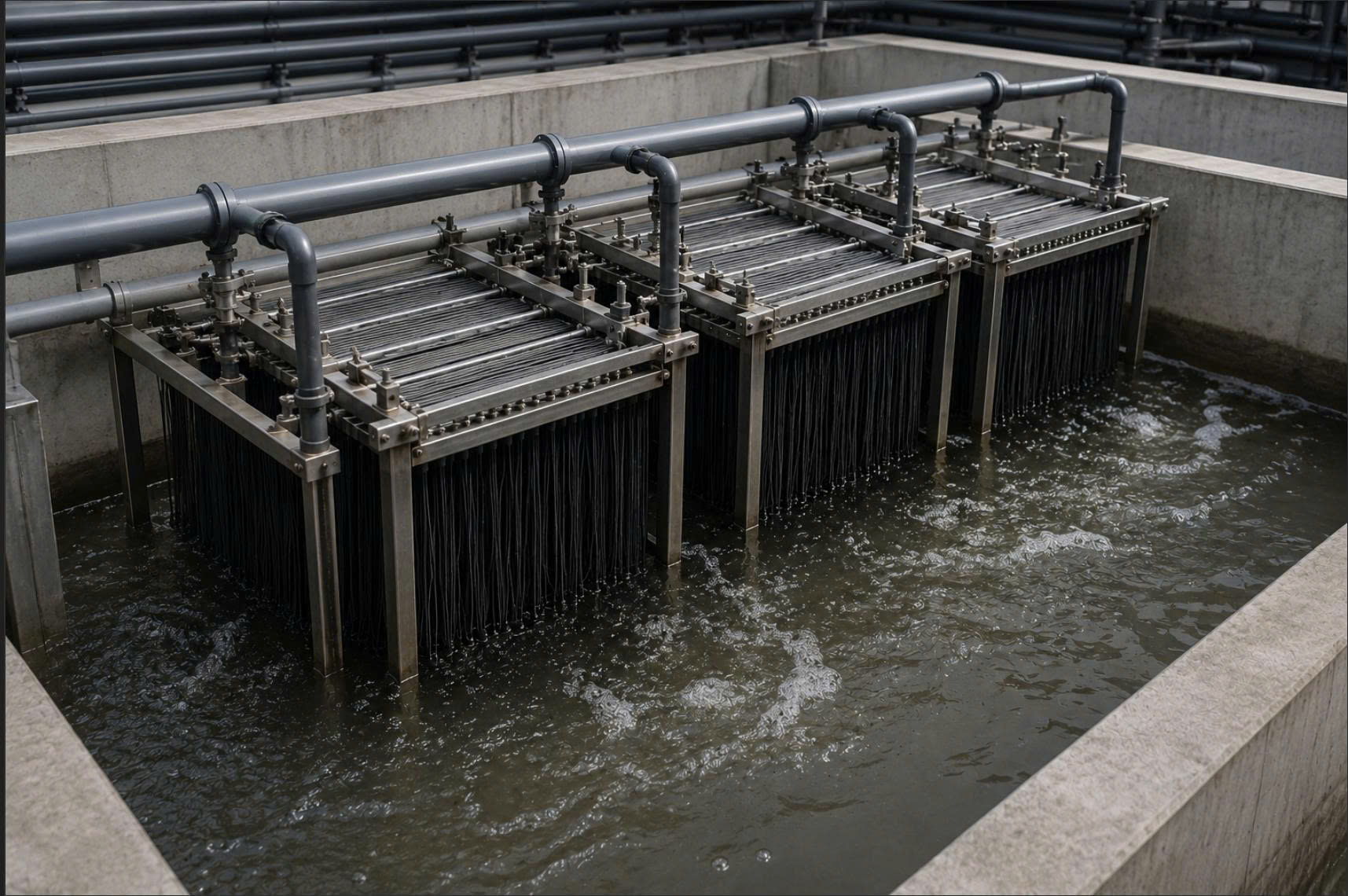
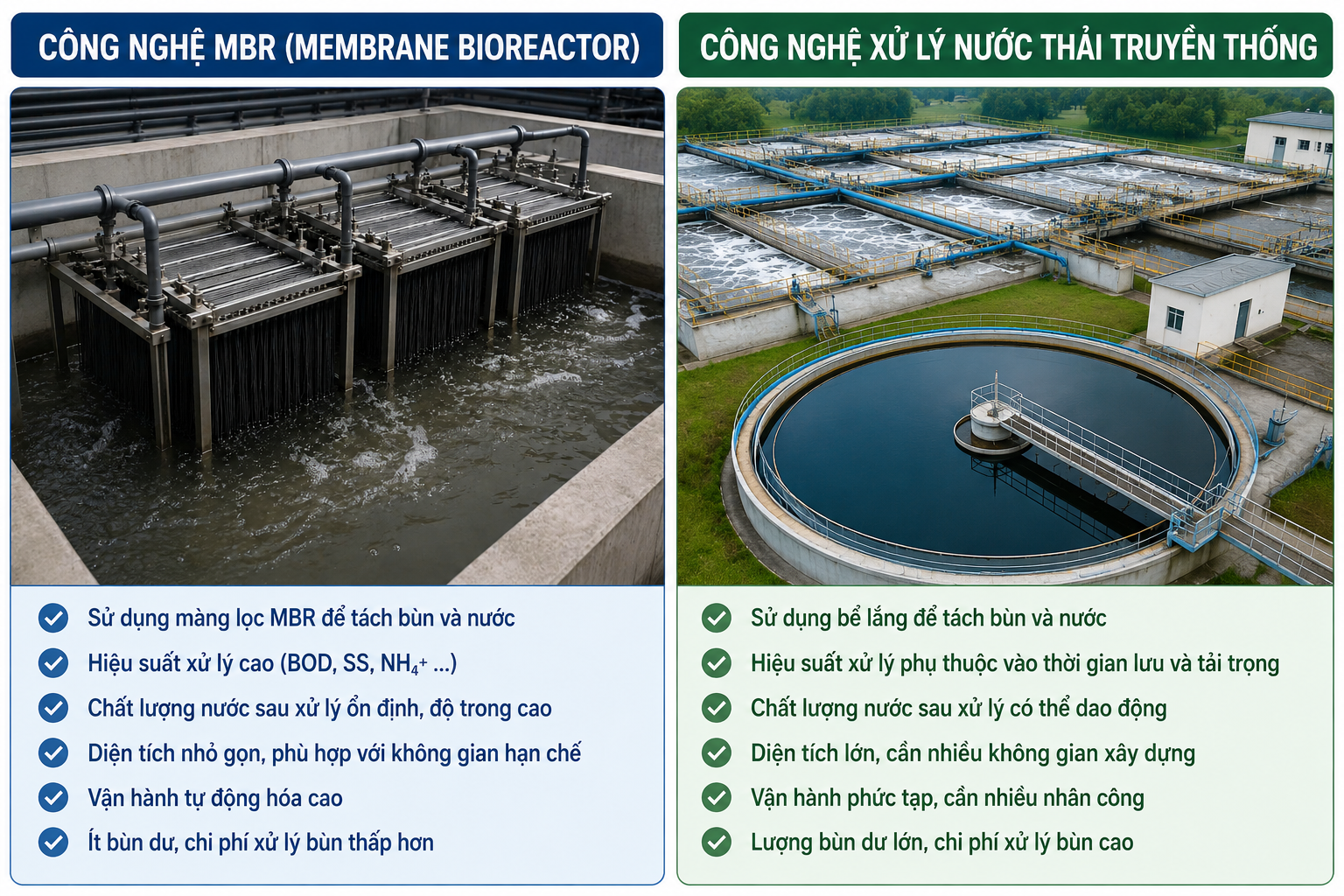
MBR (Membrane Bioreactor)
Combines biological treatment with membrane filtration, delivering high-quality effluent while reducing installation footprint.
MBBR (Moving Bed Biofilm Reactor)
Utilizes biofilm carriers to enhance biological treatment performance and increase treatment capacity.
AAO (Anaerobic – Anoxic – Oxic)
An effective biological treatment process designed for the removal of organic matter, nitrogen, and phosphorus.
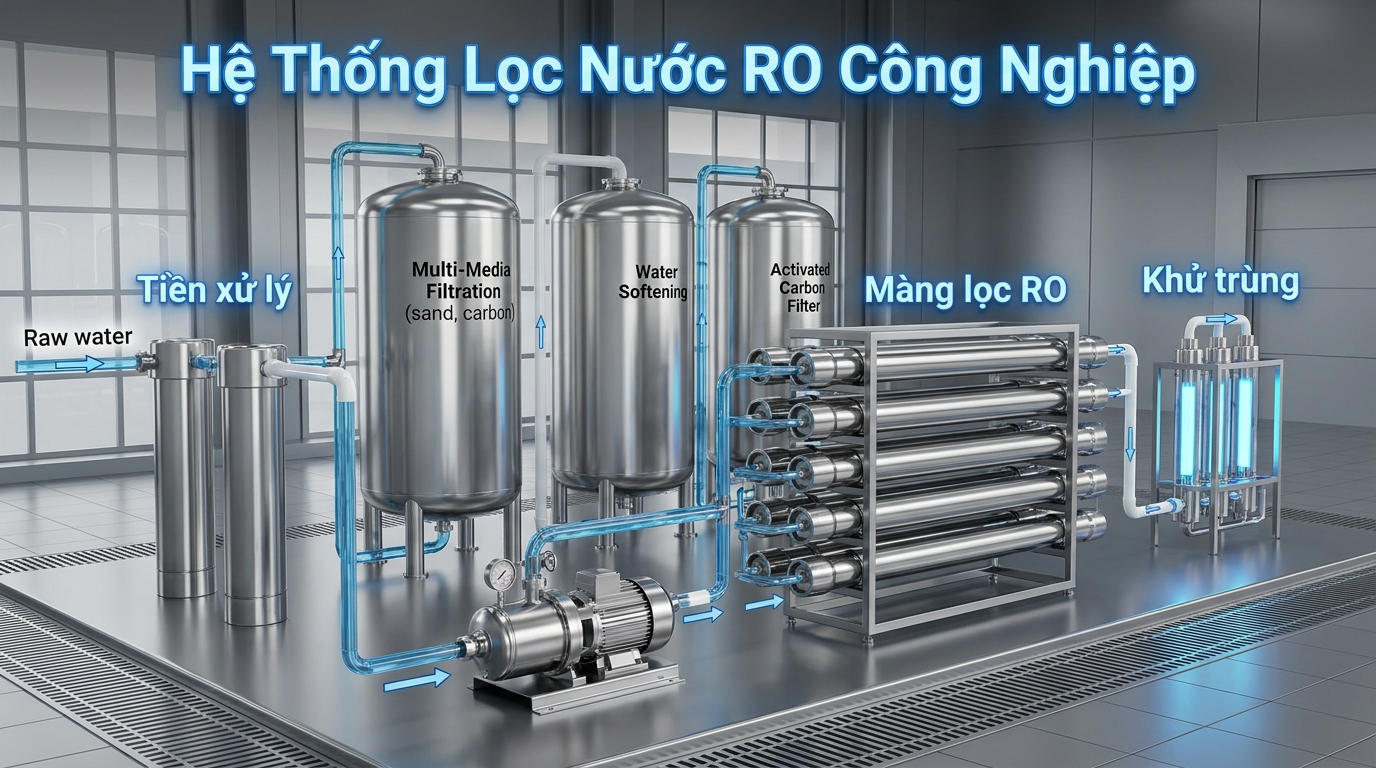
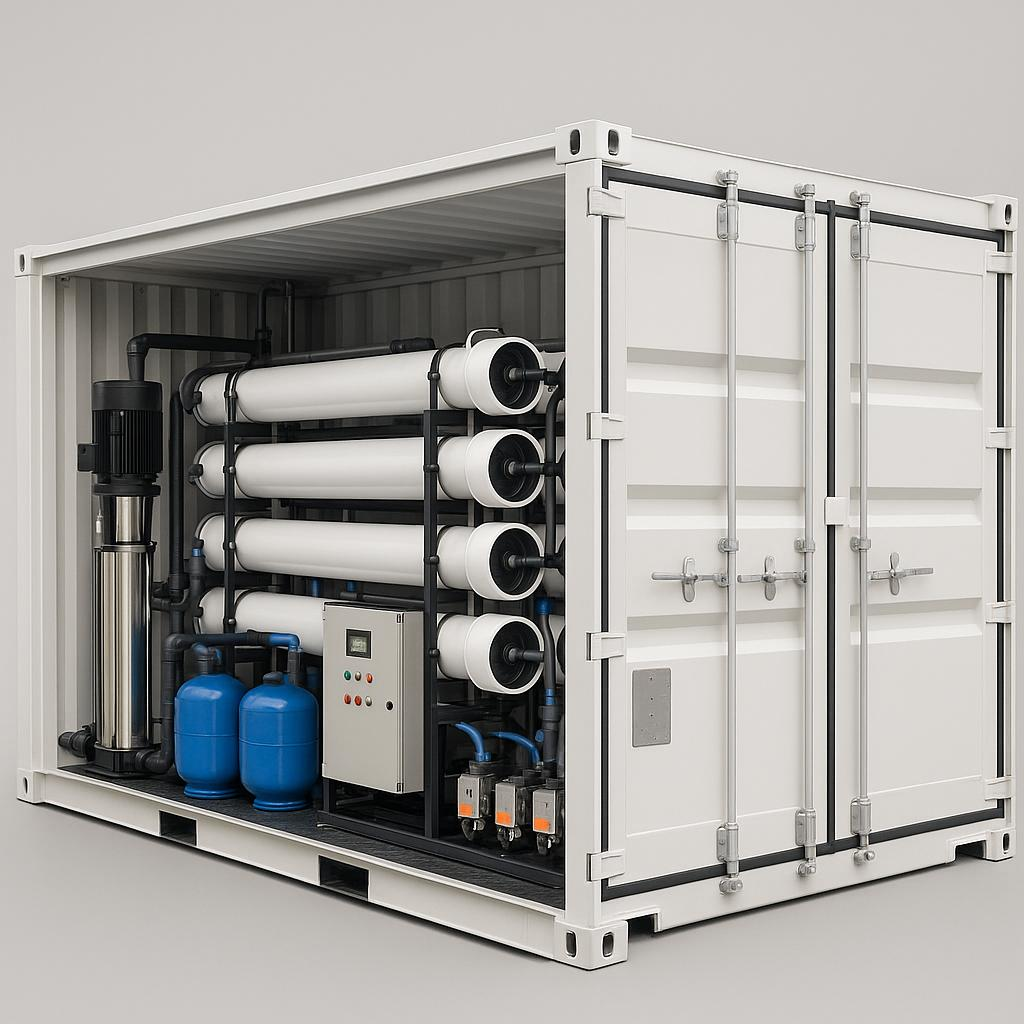
Reverse Osmosis (RO)
Provides advanced purification by removing dissolved solids, salts, and contaminants, making it suitable for water reuse applications.
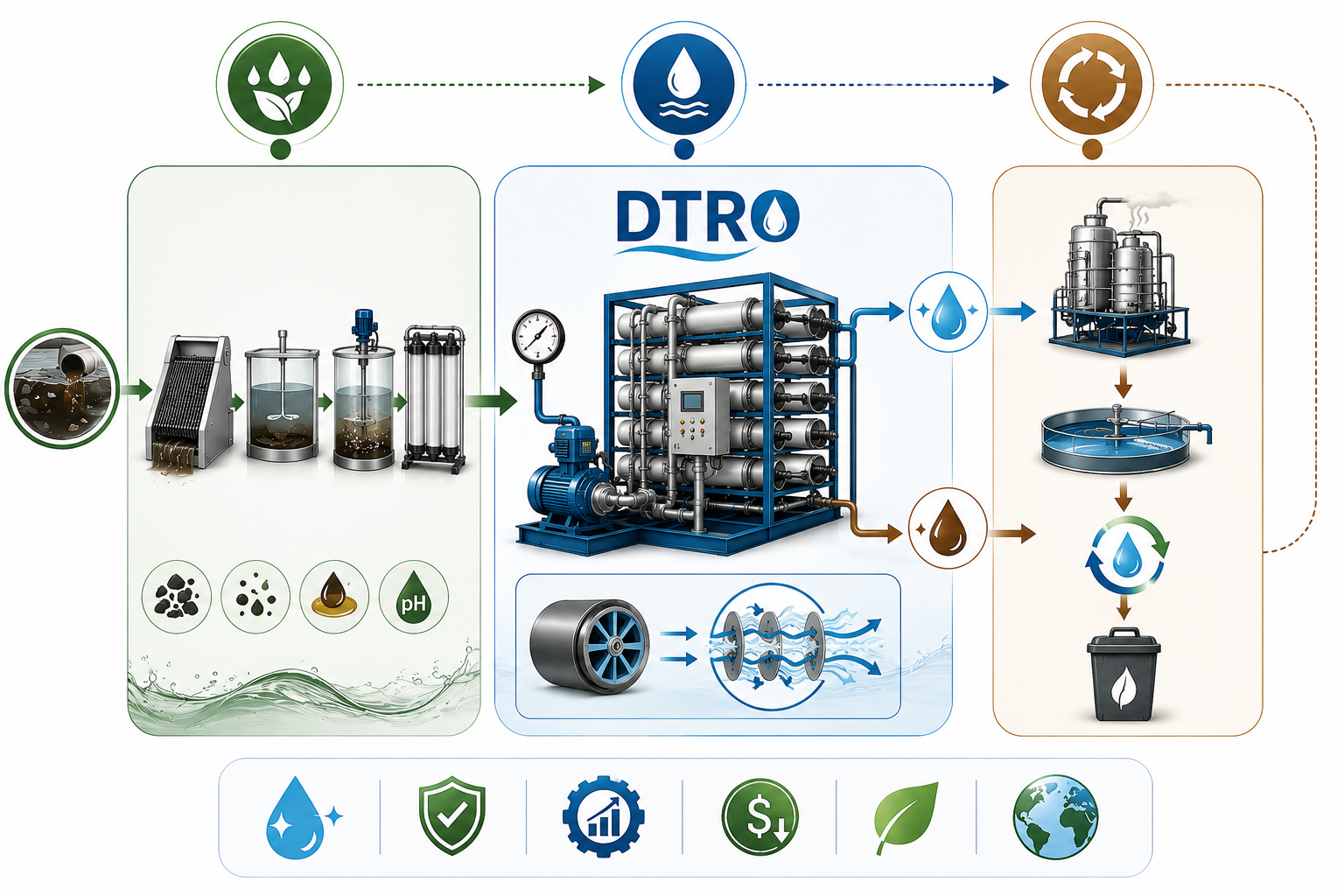
DTRO (Disc Tube Reverse Osmosis)
A high-pressure membrane technology commonly used for treating heavily polluted wastewater and landfill leachate.
These technologies help businesses achieve environmental compliance, improve treatment performance, reduce land requirements, and facilitate water reuse and recycling.
Why Choosing the Right Solution Matters
Selecting the most suitable wastewater treatment technology is essential for achieving:
An improperly designed system may lead to excessive operational costs, treatment inefficiencies, and future upgrade expenses.
The cost of a wastewater treatment system depends on numerous factors, including wastewater flow rate, wastewater quality, treatment objectives, and selected technologies. Therefore, an accurate cost estimate can only be determined through a detailed site assessment and technical evaluation.
To achieve the best balance between investment cost, operational efficiency, and regulatory compliance, businesses should work with experienced wastewater treatment specialists to develop a customized solution tailored to the specific requirements of each project.