
THE ROLE OF PH, DO AND TDS INSTRUMENTS IN WATER TREATMENT SYSTEMS
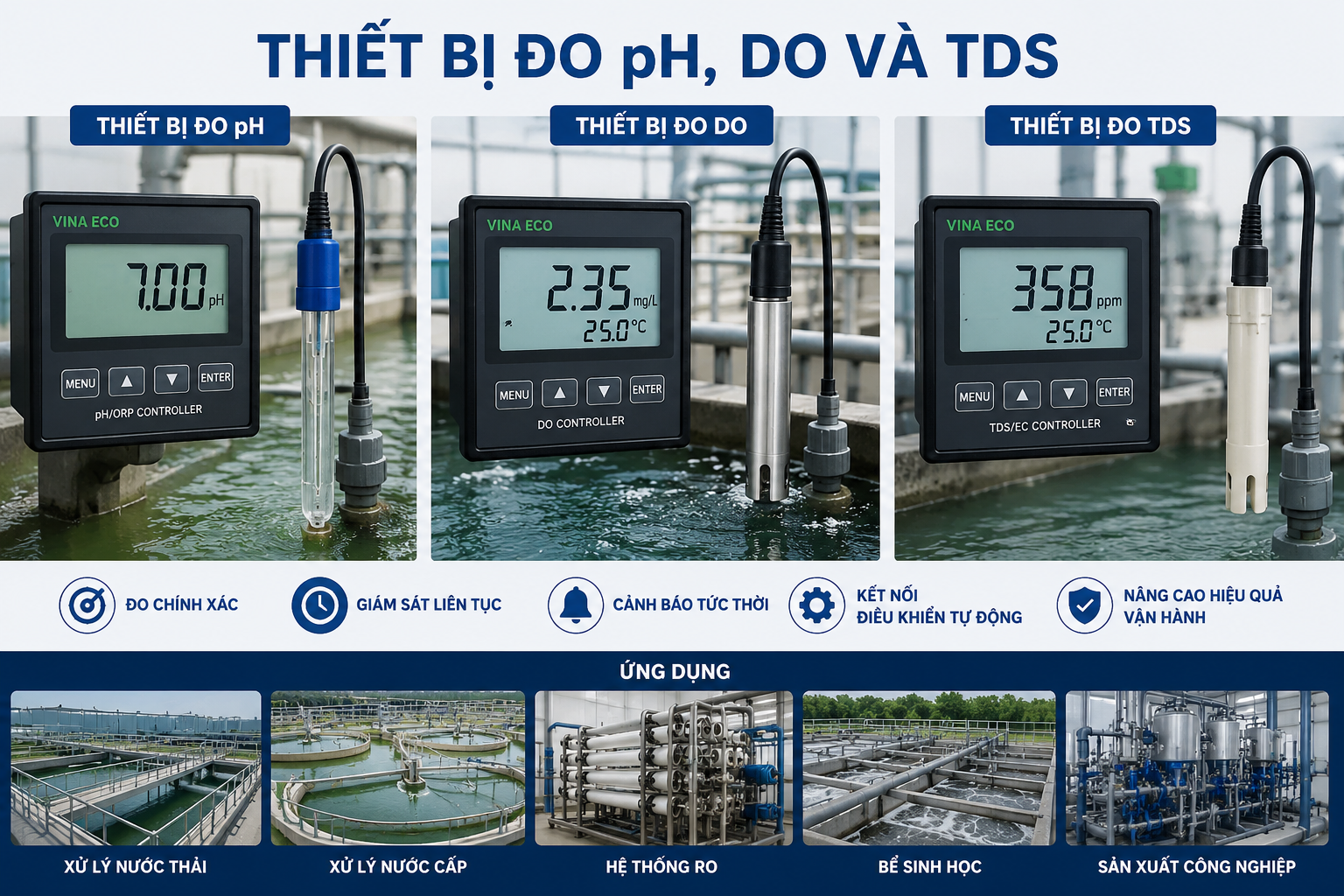
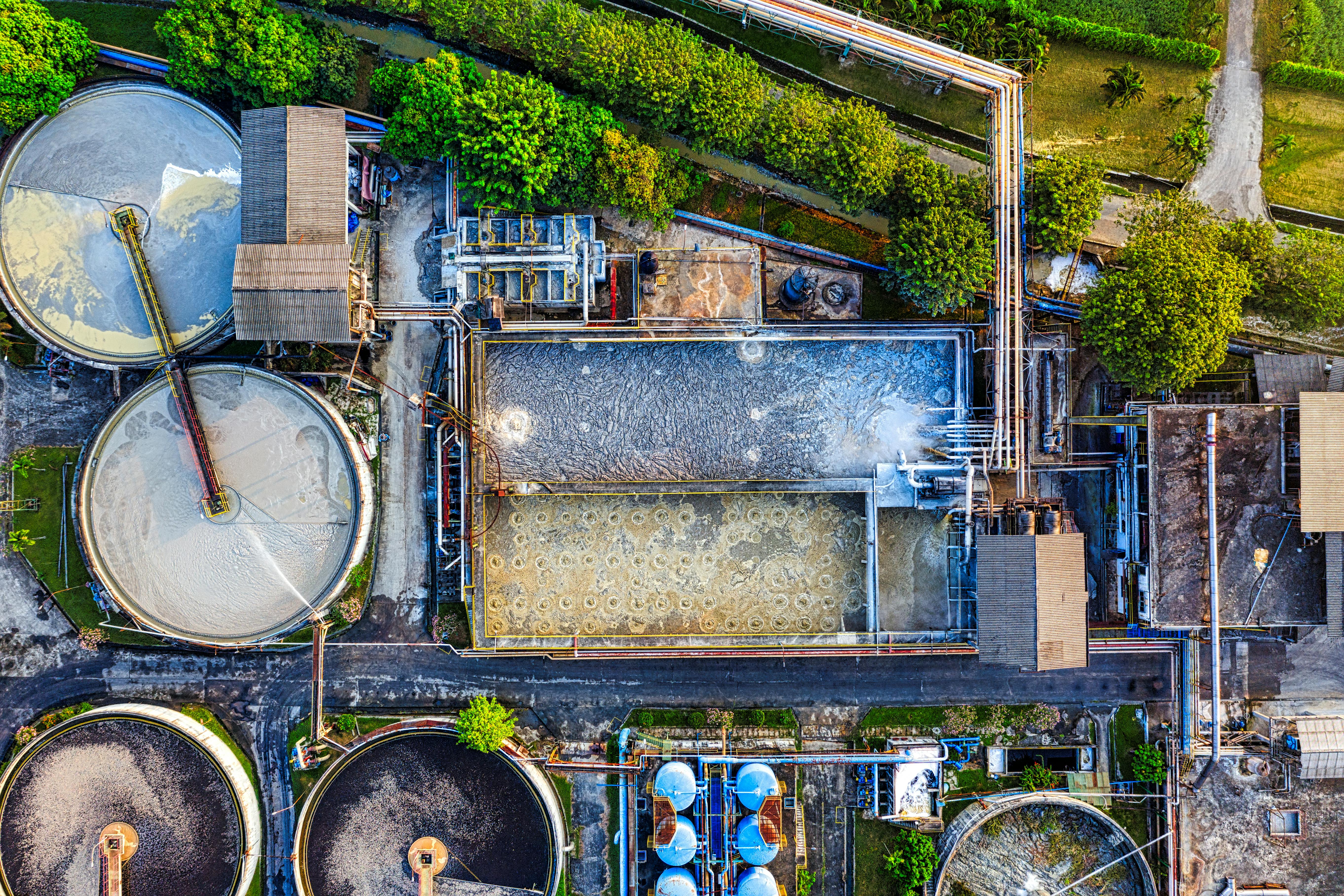
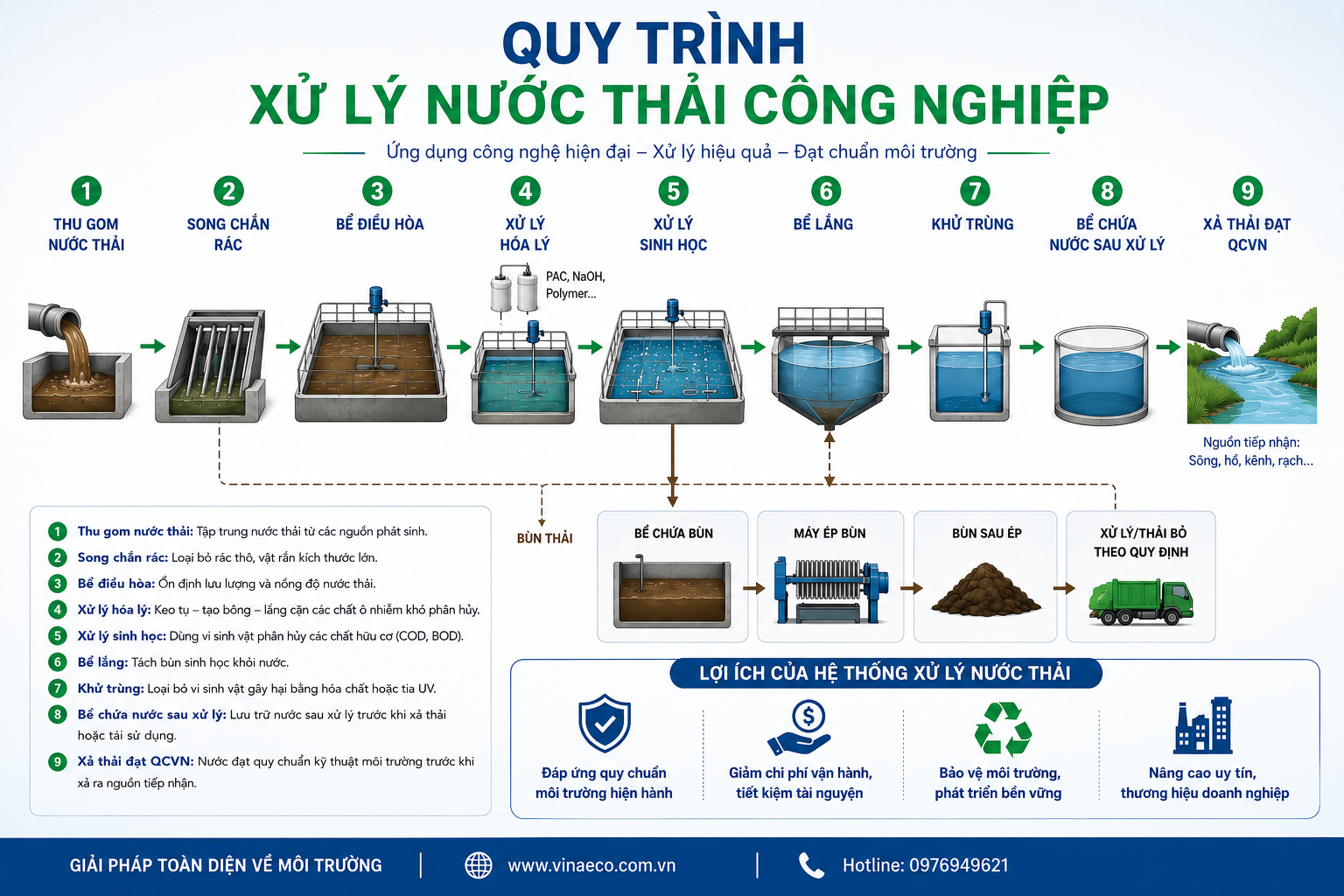
In modern water treatment systems, continuous monitoring of key water quality parameters is essential to ensure stable operation and maintain consistent treated water quality. Among the most critical instruments are online pH analyzers, online dissolved oxygen (DO) analyzers, and online total dissolved solids (TDS) analyzers, which are widely used in potable water treatment, industrial wastewater treatment, reverse osmosis (RO) systems, and water reuse applications. Unlike conventional manual sampling and laboratory analysis, online water quality monitoring instruments provide real-time data, enabling operators to detect abnormalities immediately, optimize treatment processes, and minimize operational risks.
Online pH Analyzer – Controlling Water Treatment Conditions
pH is one of the most critical parameters affecting nearly every stage of a water treatment process, including neutralization, coagulation–flocculation, biological treatment, and disinfection. Even slight deviations from the optimum pH range can significantly reduce treatment efficiency, increase chemical consumption, and shorten equipment lifespan. An online pH analyzer continuously measures water pH and transmits the signal to a controller, allowing automatic dosing of acid or alkali to maintain the desired pH level. This ensures optimal operating conditions, minimizes human error, and improves overall treatment performance.
Applications of Online pH Analyzers
Online DO Analyzer – Optimizing Biological Treatment Performance
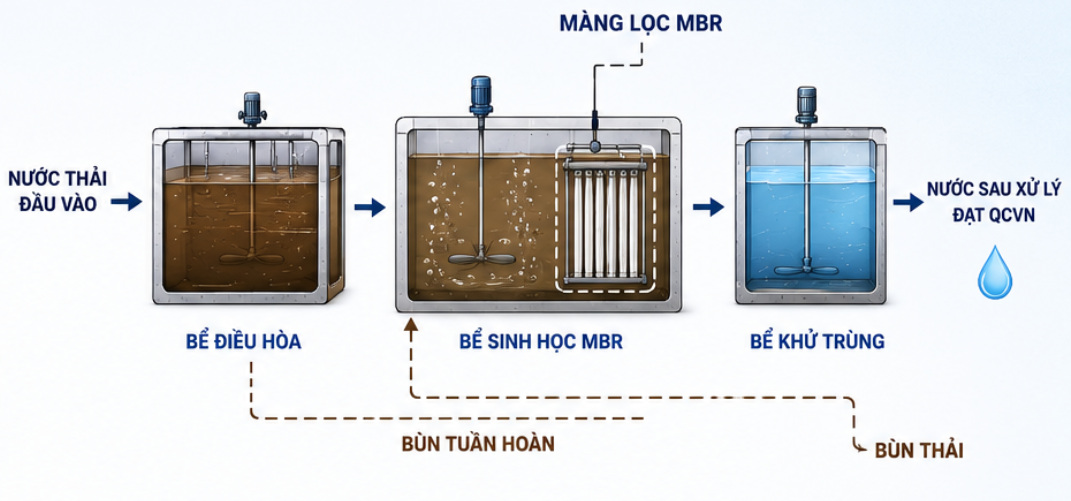
In aerobic biological treatment tanks, dissolved oxygen (DO) is a key factor influencing microbial activity. Insufficient DO levels limit microorganisms' ability to degrade organic pollutants, while excessive DO results in unnecessary energy consumption due to over-aeration. An online DO analyzer continuously monitors dissolved oxygen concentration and communicates with the control system to automatically regulate air flow. This optimizes the removal of BOD (Biochemical Oxygen Demand), COD (Chemical Oxygen Demand), and ammonia nitrogen (NH₃-N/NH₄⁺-N) while significantly reducing aeration energy costs.
Applications of Online DO Analyzers
Online TDS Analyzer – Monitoring Treated Water Quality
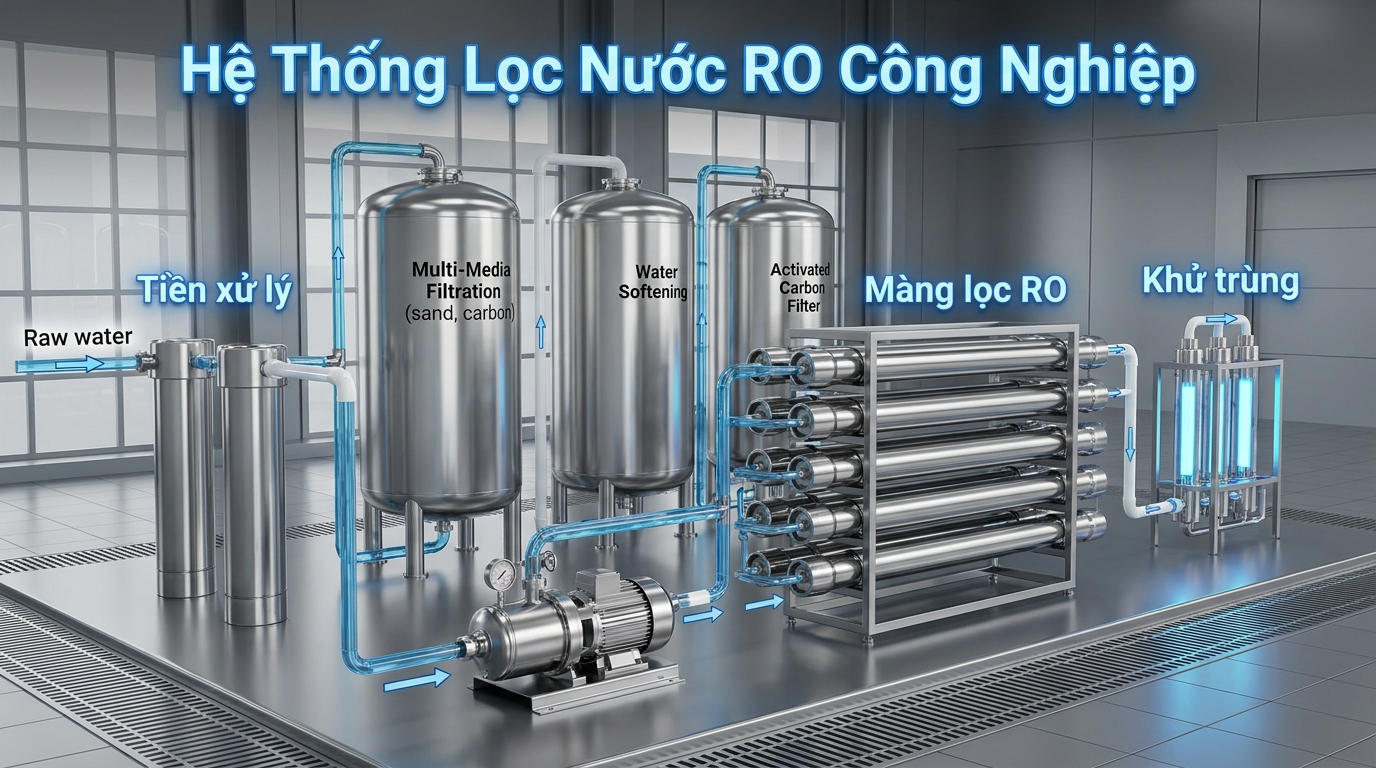
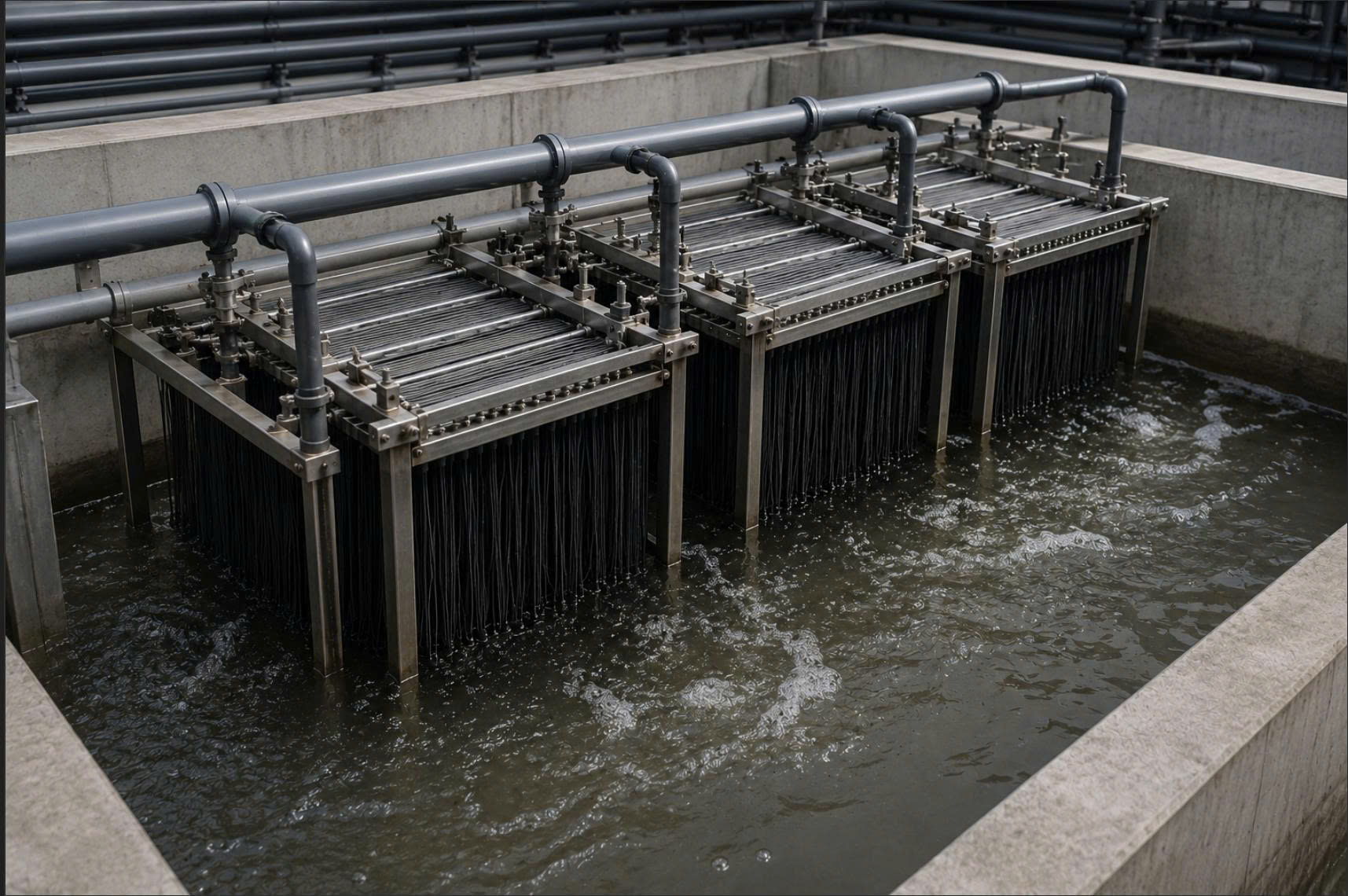
Total Dissolved Solids (TDS) represent the total concentration of dissolved minerals, salts, and inorganic substances in water. TDS is a critical indicator for evaluating water quality in RO systems, Electrodeionization (EDI) systems, and water reuse applications. An online TDS analyzer continuously monitors both feed water and permeate water quality, allowing operators to evaluate filtration performance, detect membrane fouling or degradation, and identify abnormal changes in water quality at an early stage. Routine TDS monitoring enables predictive maintenance, extends membrane service life, and ensures consistent water quality for industrial production.
Applications of Online TDS Analyzers
Benefits of Online Water Quality Monitoring Instruments
Investing in online pH, DO, and TDS analyzers not only improves water quality monitoring but also enhances the automation level of the entire treatment system.
Key benefits include:
Efficient Water Quality Monitoring Solutions
Selecting the right water quality monitoring instruments depends not only on the parameters to be measured but also on operating conditions, measurement range, accuracy, and compatibility with the plant's automation system.Today, many industrial facilities adopt online pH, DO, and TDS analyzers integrated with PLC or SCADA platforms to achieve real-time monitoring, minimize manual intervention, and maximize operational efficiency.
Vina Eco Group provides comprehensive water quality monitoring solutions, including online pH, DO, and TDS instrumentation, together with professional engineering support to help customers select the most suitable configuration for potable water and wastewater treatment systems. Choosing the right instrumentation from the beginning contributes to stable system operation, optimized operating costs, and improved water quality management.