
Industrial Wastewater Treatment Process
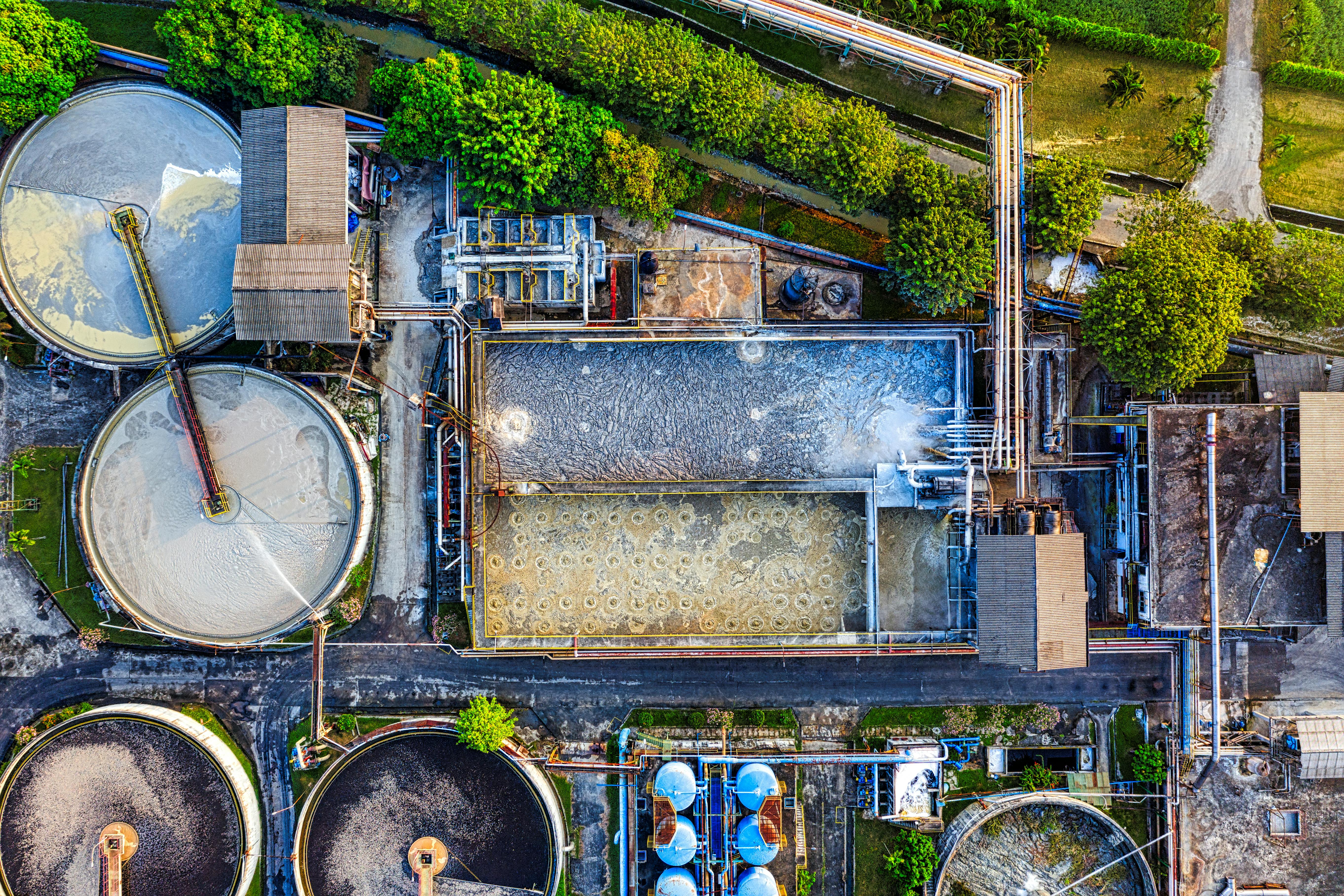
Industrial wastewater generated from manufacturing activities often contains a wide range of pollutants, including organic matter, oils and grease, chemicals, suspended solids, heavy metals, and harmful microorganisms. Without proper treatment, these contaminants can pose significant risks to the environment and public health.
As a result, implementing an effective industrial wastewater treatment process has become an essential requirement for modern industries.
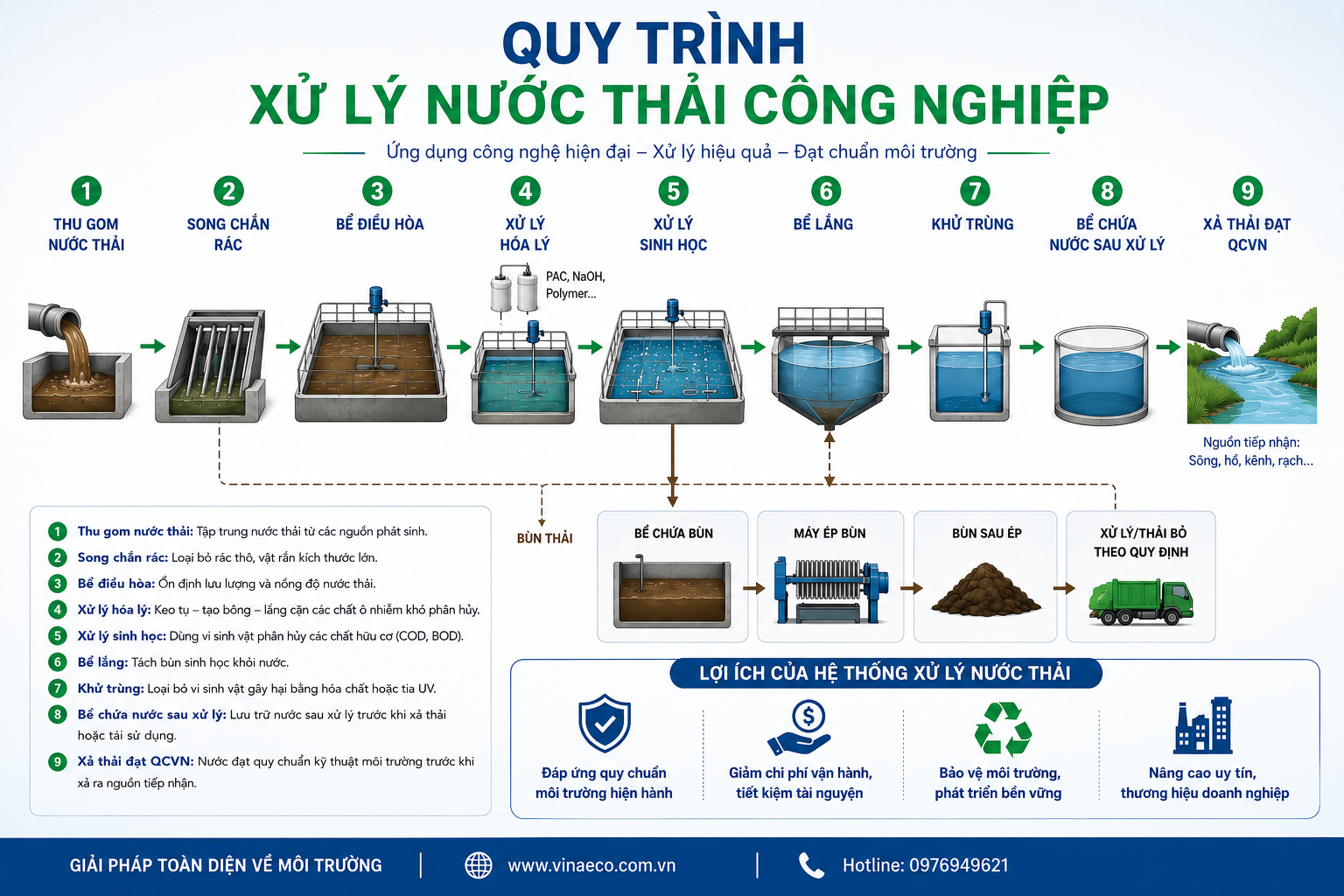
1. Wastewater Collection System
The treatment process begins with a wastewater collection network that gathers all wastewater streams generated within the facility and conveys them to the central treatment plant.
An efficient collection system ensures stable operation and allows wastewater to be managed effectively throughout the treatment process.
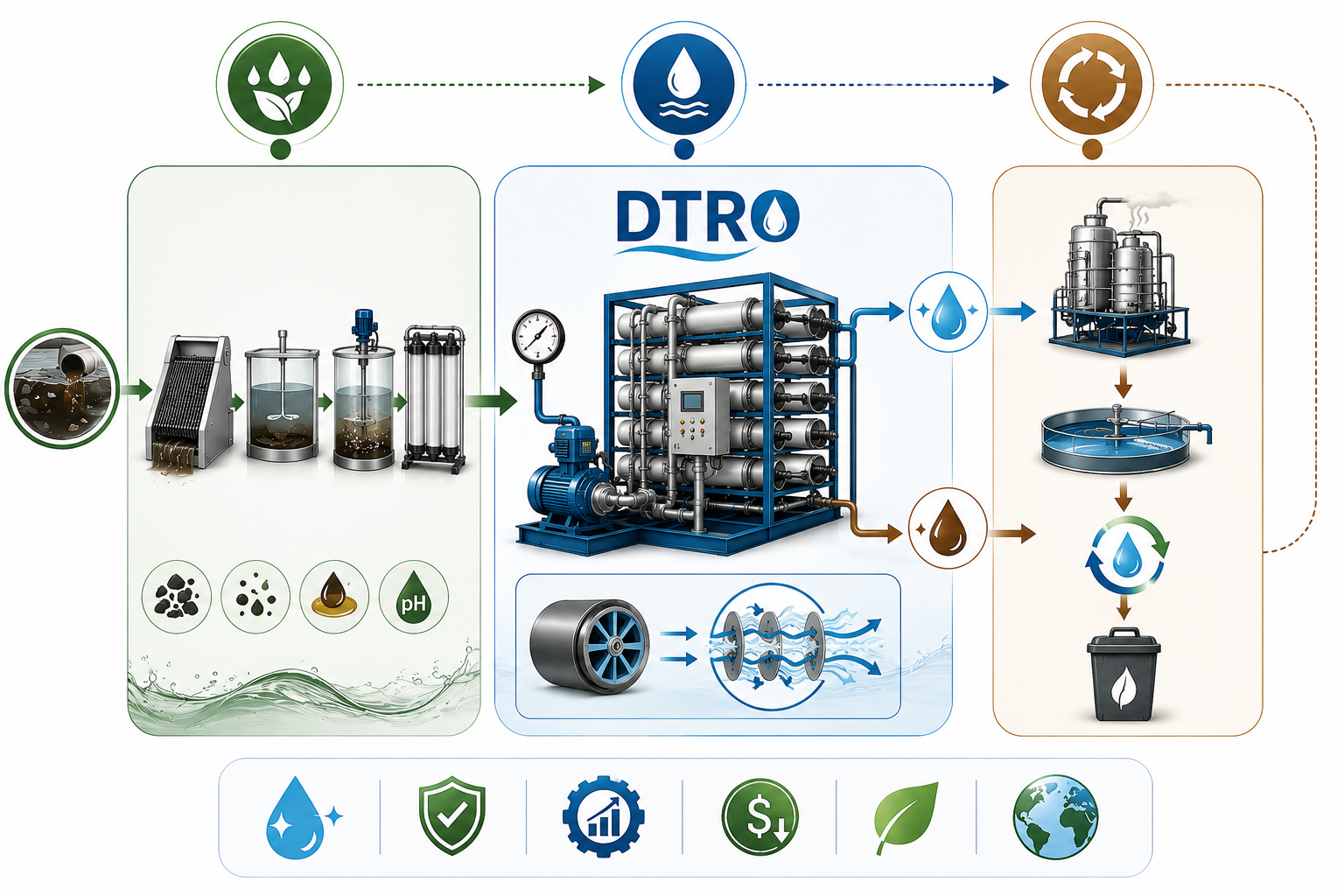
2. Screening and Preliminary Treatment
Upon entering the treatment facility, wastewater passes through mechanical screens designed to remove large debris and coarse solids such as:
This step protects downstream equipment from clogging and mechanical damage while improving overall treatment efficiency.
3. Equalization Tank
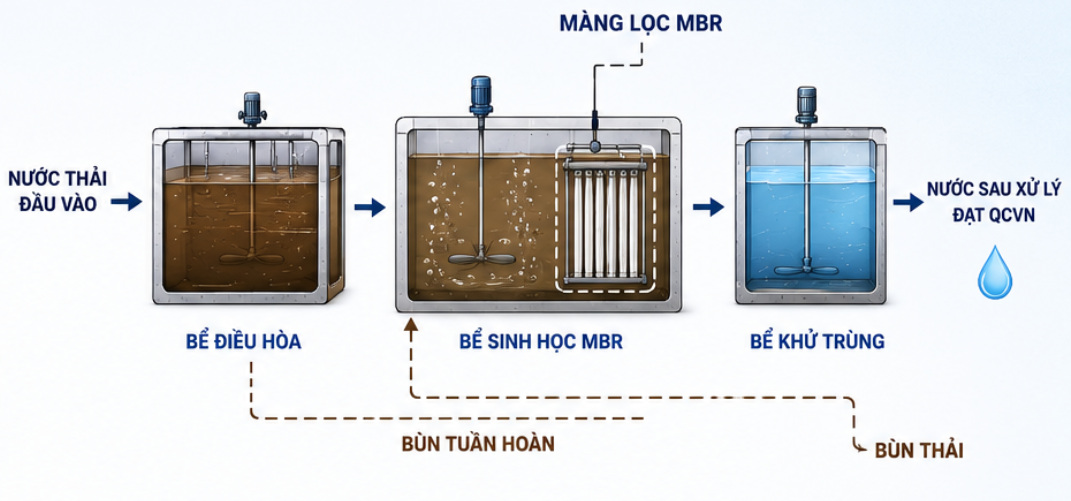
Following preliminary treatment, wastewater is directed to an equalization tank where flow rate and pollutant concentrations are balanced before further treatment.
The equalization process helps:
This stage plays a vital role in preventing system overload and ensuring reliable treatment efficiency.
4. Physicochemical Treatment
Depending on wastewater characteristics, physicochemical treatment may be applied to remove pollutants that are difficult to treat biologically.
This process is commonly used for the removal of:
Typical treatment chemicals include:
These chemicals facilitate coagulation, flocculation, and sedimentation processes, enabling effective contaminant removal.
5. Biological Treatment
Biological treatment is considered the core stage of most industrial wastewater treatment systems.
During this process, microorganisms break down dissolved organic pollutants through aerobic and anoxic biological reactions.
The primary objectives are to reduce:
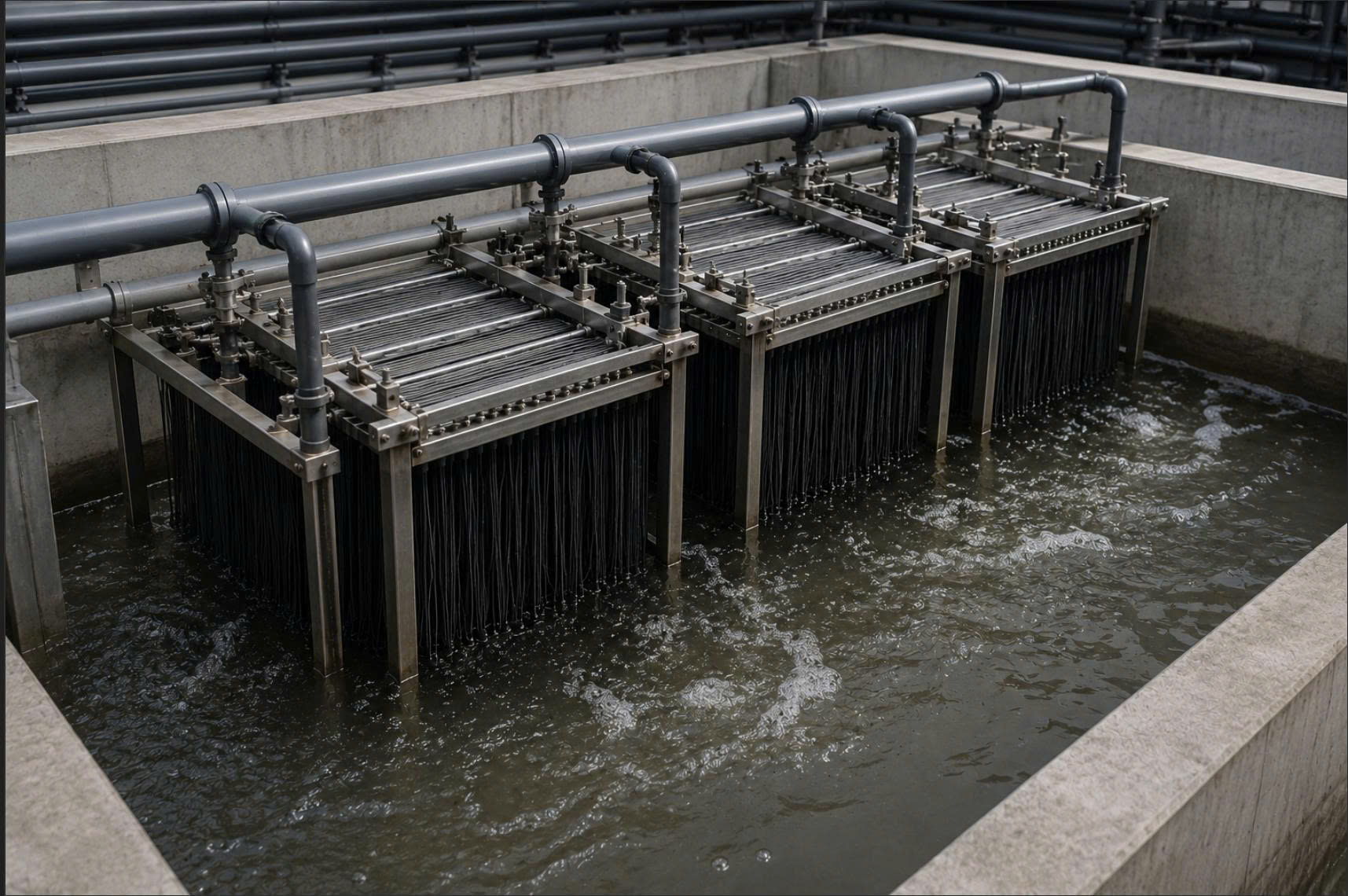
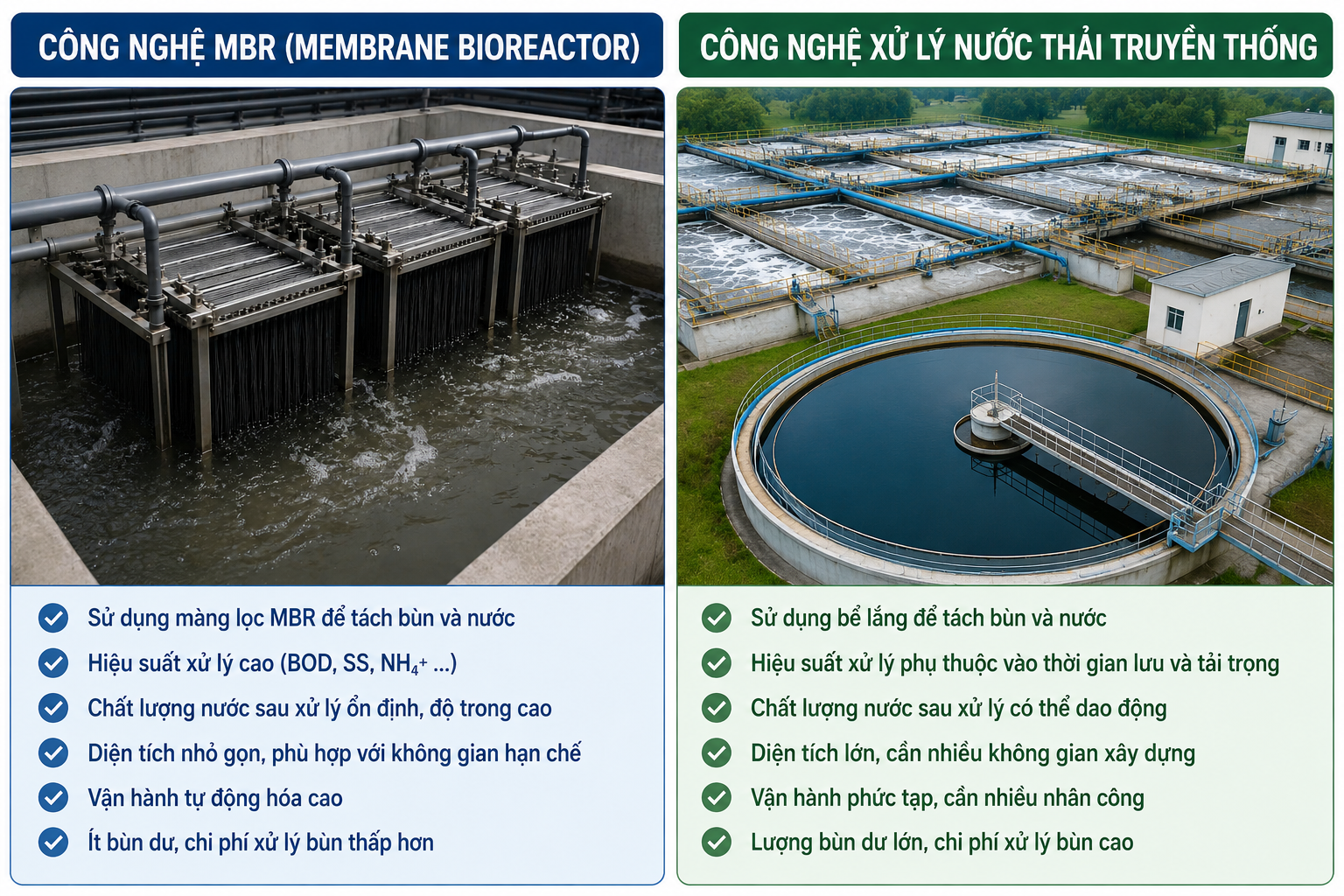
Common biological treatment technologies include:
This stage significantly improves effluent quality and prepares the wastewater for final polishing and discharge.
6. Secondary Clarification and Sludge Separation
After biological treatment, wastewater flows into a clarification tank where activated sludge and suspended solids are separated from the treated water.
The settled sludge is either recycled back into the biological process or transferred to a sludge treatment system for further handling and disposal.
7. Disinfection
Prior to discharge or reuse, the treated water undergoes disinfection to eliminate remaining pathogenic microorganisms.
Common disinfection technologies include:
This step ensures microbiological safety and compliance with environmental discharge standards.
8. Advanced Treatment and Water Reuse
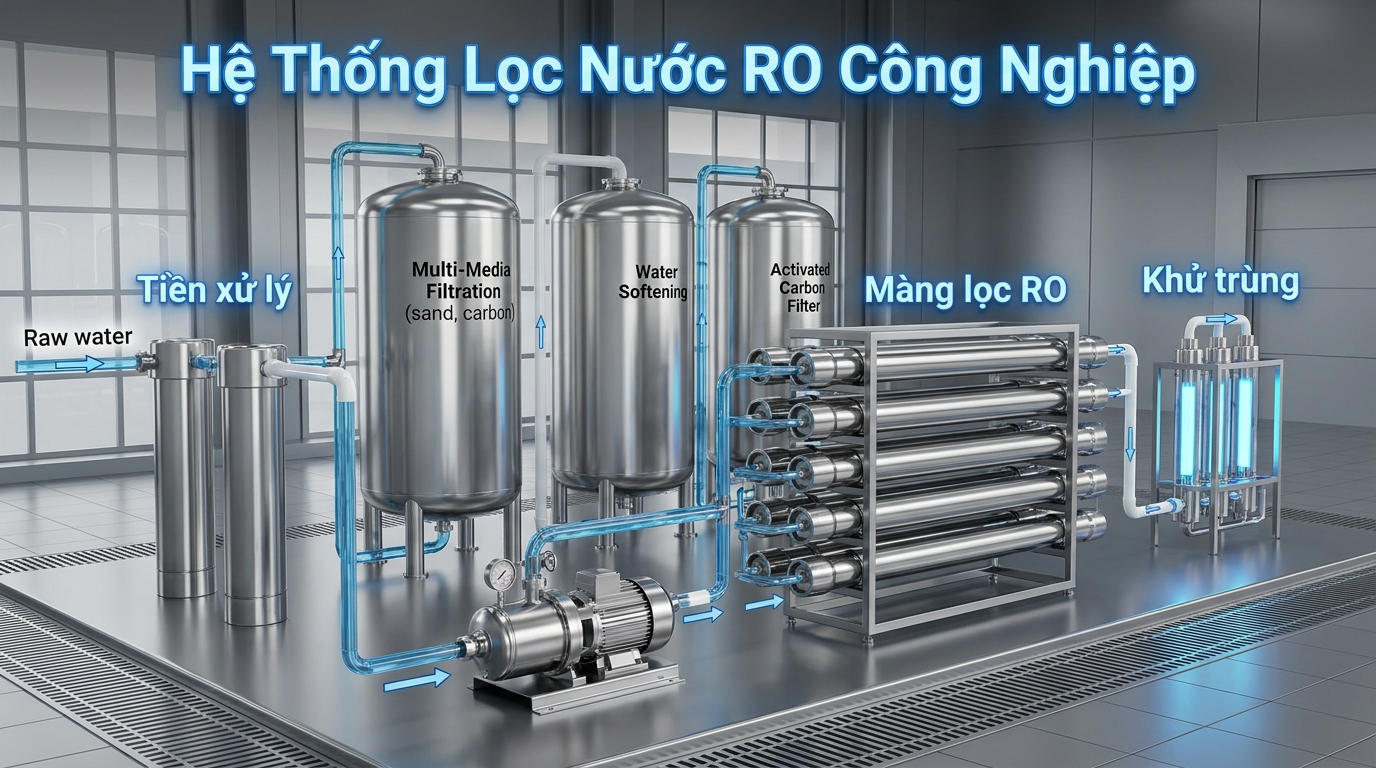
For projects requiring high-quality effluent or water reuse, advanced treatment technologies can be integrated into the system.
Common polishing technologies include:
These technologies provide superior contaminant removal and enable treated wastewater to be reused for industrial processes, cooling systems, cleaning operations, and other non-potable applications.
Benefits of a Properly Designed Wastewater Treatment Process
A professionally engineered wastewater treatment system offers numerous advantages:
By selecting appropriate treatment technologies and optimizing system design, businesses can achieve both environmental compliance and cost-effective operation.
An industrial wastewater treatment process consists of multiple treatment stages, each designed to remove specific contaminants and improve overall water quality. From preliminary screening and equalization to biological treatment, disinfection, and advanced membrane filtration, every step contributes to achieving regulatory compliance and sustainable wastewater management.
Investing in a properly designed wastewater treatment system not only protects the environment but also helps businesses improve operational efficiency, reduce long-term costs, and support sustainable industrial development.